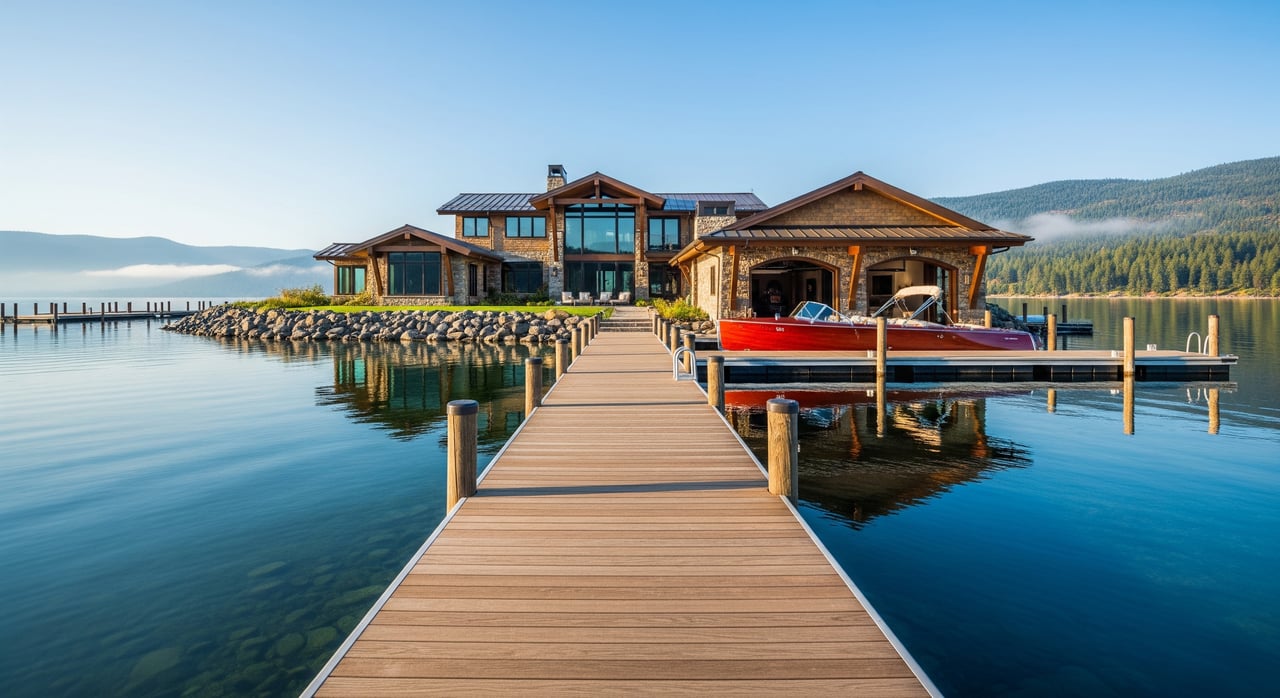
Picture this: glassy morning water, a paddle out from your dock, and sunset colors reflecting across one of North Idaho’s most iconic lakes. If you are dreaming about living on Lake Coeur d’Alene, you also want the practical details. You care about daily rhythms, neighborhood feel, dock rights, costs, and what to check before you buy. This guide walks you through what life looks like along the city shoreline, from downtown’s energy to quieter residential coves, plus the key steps to make a confident decision. Let’s dive in.
Lake Coeur d’Alene at a glance
Lake Coeur d’Alene stretches across coves, peninsulas, and forested hills, and it anchors city life. Within city limits, you will find a mix of urban waterfront near downtown and smaller residential pockets. Some properties sit on steep, wooded slopes; others occupy flatter benches or narrow littoral lots.
The downtown waterfront, including City Park and Tubbs Hill, draws visitors year-round and especially in summer. You get quick access to trails, marinas, and dining. In contrast, small residential coves elsewhere inside city boundaries feel more private, with clusters of homes and small marinas tucked among trees.
Waterfront pockets in the city
Downtown waterfront and Tubbs Hill
If you want to walk to restaurants, concerts, and community events, the downtown waterfront is your hub. You can hike the lakeside trails at Tubbs Hill, enjoy City Park’s beach areas, and keep a boat at the central resort marina. Expect higher seasonal activity, more boat traffic, and a lively atmosphere during summer.
Silver Beach and nearby coves
Silver Beach and the Sanders Beach area offer easy-to-love shoreline near parks and walkable amenities. These pockets blend residential living with convenient lake access. Public access rules can vary by site, so confirm current designations for any specific beach or path before you go.
Northwest coves and peninsulas
Inside city boundaries along the northwest shoreline, you will find smaller, quieter residential enclaves. Homes often have private docks, forested lots, and a sheltered feel. Inventory is limited, and the character can shift quickly from one cove to the next.
Daily life by season
Summer on the water
Mornings often start calm. You might sip coffee on the deck, launch a kayak or paddleboard, or jog along the North Idaho Centennial Trail. Midday brings swims, wake sessions, or a relaxed fishing run. By evening, marina slips fill, and sunsets glow as events and fireworks energize peak season weekends. Warm weekends bring more noise and wakes, especially near public beaches and downtown.
Spring and fall
Shoulder seasons are quieter, with calmer water and fewer visitors. Spring can be wet on trails, while fall offers colorful foliage and predictable fishing. Many owners schedule dock work and contractor projects in spring and summer, and they winterize boats and lifts in late fall.
Winter pace and access
The main lake basins seldom freeze solid, so the shoreline stays accessible even when activity slows. You can swap boating with nearby skiing and snow play within an hour’s drive. Winter brings different maintenance needs, including pipe protection, dock adjustments, and boat storage or haul-out.
Recreation and access points
- Marinas and slips: The downtown resort marina is a central, full-service hub. You will also find smaller private marinas and community docks in select neighborhoods.
- Launches and parks: Public boat launches and park sites offer access for both paddle craft and trailered boats. Parking and availability vary by season, so plan around summer crowds.
- Trails and beaches: Tubbs Hill provides lakeside hiking and swim spots close to downtown. The regional North Idaho Centennial Trail runs along parts of the lake corridor and is popular for biking and walking.
- Water sports and fishing: You can enjoy paddle sports, wake sports, sailing, and fishing for trout and various warm-water species. Check current conditions and regulations before you head out.
- Events and community life: Expect summer concerts, Independence Day fireworks, boating gatherings, and occasional athletic events that bring short bursts of visitors and activity.
Housing types and value drivers
- Luxury single-family homes and estates: Direct shoreline access and signature views drive premium pricing.
- Older cottages and mid-century homes: Many have charm and classic layouts. Some need modernization, systems updates, or shoreline improvements.
- New construction and high-end remodels: Modern glass, large terraces, and integrated dock systems are common in recent projects.
- Condos and townhomes near the lake: You can find water views and convenient access. Pure dock-access condo options are less common than detached homes.
- Infill lots with docks or shared moorage: Select pockets offer small lots with private or community dock options.
Waterfront commands a clear premium over nearby non-waterfront homes. Inventory tends to be tight, and demand is strong among both local and out-of-area buyers. Cost of entry often runs from the high six figures to multi-million-dollar ranges, depending on location, lot size, improvements, and the presence of dock rights. Resale value is shaped by view corridors, legal dock access, structural condition, and shoreline protections.
Key checks before you buy
Use this checklist to focus your due diligence:
- Dock rights and easements: Confirm littoral access or a recorded dock easement in the deed and HOA documents. Clarify size and location rules that apply to the parcel.
- Permits and shoreline regulation: Most dock, pier, seawall, and shoreline work requires approvals from the City of Coeur d’Alene, the Idaho Department of Lands, and sometimes the U.S. Army Corps of Engineers. Repairs can be simpler; new installations are more regulated.
- Zoning, setbacks, and vegetation: City code, shoreline rules, and HOA or CC&Rs may guide what you can build, remove, or modify along the water.
- Utilities and services: Many lakefront parcels in city limits use municipal water and sewer, but some pockets rely on private systems. Verify service availability before you write an offer.
- Flood risk and insurance: Parts of the shoreline may lie in FEMA-designated flood zones. Lenders can require flood insurance. Check parcel-specific mapping and costs.
- Water quality and aquatic vegetation: Review current monitoring and any recent advisories for harmful algal blooms or invasive aquatic weeds. Management efforts can affect recreational use and shoreline work.
- Seasonal costs and storage: Budget for boat storage or haul-out, dock or lift maintenance, and winterization of plumbing and systems.
Noise, privacy, and safety
Privacy varies across the city shoreline. Downtown-facing lots feel more public, while select coves and peninsulas provide a sheltered setting. Remember that water-borne access allows boaters to pass by your shoreline even if road access is limited. If you prefer quieter waters, focus your search on protected coves and less trafficked inlets.
Summer weekends bring more wake noise and activity near public beaches and marinas. In shoulder seasons and winter, the pace slows. City police, fire, and EMS cover waterfront neighborhoods within the city. Forested lots near the lake can face higher wildfire risk, so plan for defensible space where applicable and follow local guidance.
Maintenance and ownership costs
Waterfront homes require a little more planning. Typical items include dock lifts and pilings, decking replacement, seawall or riprap upkeep, and erosion control. Landscaping often supports slope stability and view corridors. You will also plan for higher insurance premiums, periodic shoreline work, and seasonal boat storage.
Costs vary widely by property age, dock type, and the extent of shoreline protections. Local contractors who specialize in docks and shoreline projects book quickly in spring and summer. Line up bids and schedules early if you are planning improvements.
Is lakefront right for you?
You are a great fit for Lake Coeur d’Alene living if you want an active, water-based lifestyle inside city limits with access to trails, dining, and marina services. You understand the trade-offs of seasonal activity and the practical steps of owning on the shoreline. You also value long-term stewardship of the lake environment and plan to follow best practices for maintenance and vegetation.
If you want help assessing specific coves, dock rights, or flood designations, connect with a local specialist who knows parcel-level details and can guide you through permits, utilities, and value drivers. When you are ready to explore, reach out to Cindy Perry for boutique, concierge-level guidance on Coeur d’Alene waterfront homes.
FAQs
How private are lakefront homes in Coeur d’Alene city limits?
- Privacy varies by cove and location; downtown-facing lots feel more public while sheltered coves offer a quieter setting, and boaters can pass along the shoreline.
Can you build or replace a dock on Lake Coeur d’Alene?
- Most new or replacement docks need permits from the City of Coeur d’Alene, the Idaho Department of Lands, and sometimes the U.S. Army Corps of Engineers.
What is summer noise like near downtown waterfront?
- Expect more boat traffic, wake noise, and event activity on warm weekends, especially around public beaches, marinas, and the resort corridor.
Do most city lakefront homes have municipal water and sewer?
- Many do, but not all; confirm service availability for each parcel because some pockets rely on private systems.
Will I need flood insurance for a lakefront home?
- If the parcel lies in a FEMA-designated flood zone and you have a loan, your lender may require flood insurance; verify the property’s specific mapping.
What maintenance should I budget for on the shoreline?
- Plan for dock and lift servicing, decking or piling repairs, seawall or riprap maintenance, erosion control landscaping, and seasonal boat storage and winterization.
Are there water quality or weed issues I should know about?
- Local monitoring tracks water quality, harmful algal blooms, and invasive weeds; review recent reports and management plans before you buy.
How do marinas and boat slips work in the city?
- The downtown resort marina is a full-service hub and smaller private marinas or community docks serve some neighborhoods; availability varies and can be seasonal.