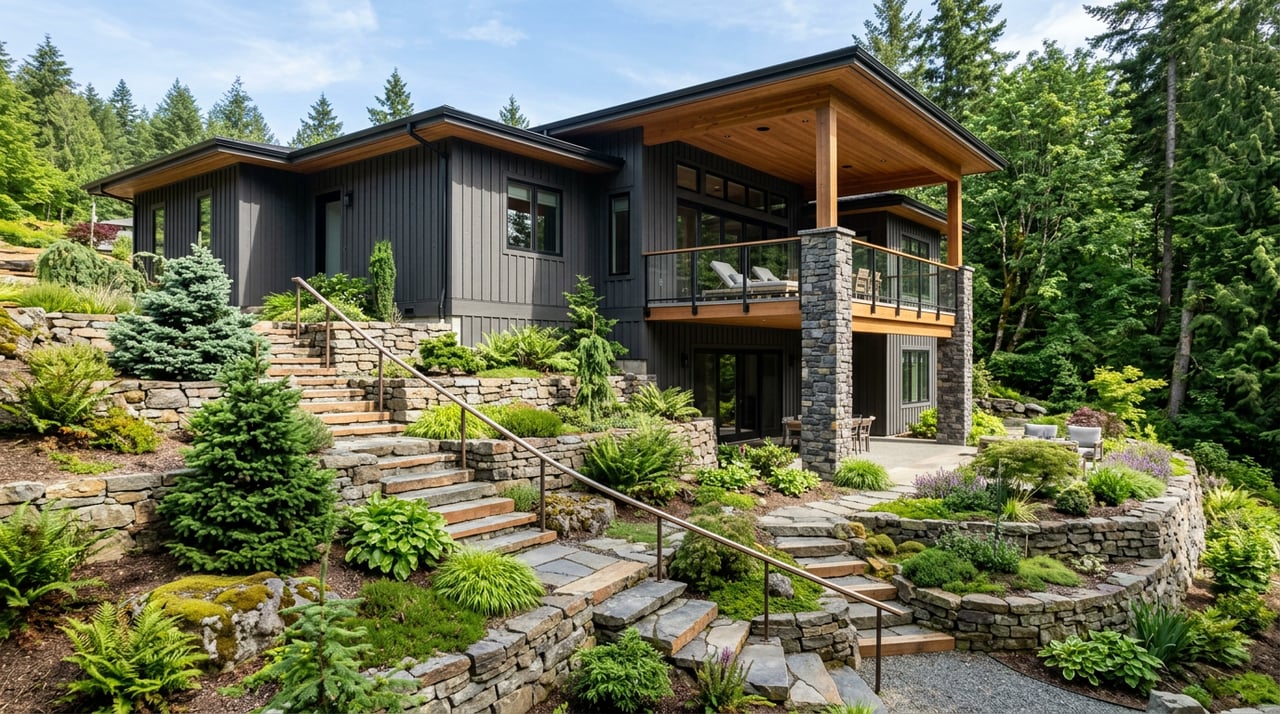
Do you picture mornings stepping onto your dock on the Spokane River or evenings watching the sky change over the valley from a quiet hillside deck? If you are deciding between riverfront and hillside homes in Post Falls, you are weighing two great North Idaho lifestyles. Each offers beauty, access, and value in different ways. In this guide, you will learn the real tradeoffs, the rules that matter, and a simple checklist to help you choose with confidence. Let’s dive in.
Riverfront lifestyle in Post Falls
Riverfront living centers on access and connection to the water. You can launch a kayak, watch passing boats, and enjoy year‑round views. Inside the city corridor, you are also close to parks, riverwalks, and services. The City’s investment in riverfront parks and access points means you get more public amenities along the shoreline too.
Explore the city’s river corridor amenities on the Parks and Facilities page. A portion of shoreline is dedicated to public parks and access, which enriches the experience along the river.
What you gain
- Direct or near‑direct access to boating and paddling.
- Riverside trails and views that shift with the seasons.
- Proximity to downtown conveniences when you buy along the city river corridor.
Riverfront tradeoffs to weigh
You share the corridor with trail users and boaters. Expect more activity and noise during peak summer weeks. Some lots have tighter usable yard space because of bank vegetation and setbacks. You also need to pay closer attention to high‑water seasons, bank stability, and navigation rules.
Review local navigation and no‑wake rules in the Kootenai County Waterways Code. These rules shape how and where you can operate watercraft near your property.
Hillside living advantages
Hillside and foothill homes are about wide views, privacy, and outdoor living spaces like terraces and view decks. Depending on elevation and aspect, you can see city lights, valley, river, or even glimpses of lake influence. Many hillside parcels feel larger, even if the flat, buildable pad is smaller.
Buyers who value quiet evenings, stargazing, and panoramic sunrises often prefer the hillside. In Post Falls, certain foothill submarkets have historically sold above the citywide median, reflecting the value buyers place on durable views and separation from river traffic.
Hillside tradeoffs to weigh
Access can be steeper and longer. Winter can turn driveway grades into a real consideration for daily life and deliveries. Steeper sites often trigger geotechnical studies and engineered foundations. Kootenai County’s land‑use code outlines review thresholds when natural slopes reach specific grades.
See the county’s requirements in the Land Use and Development Code. Also consider wildfire and erosion exposure on timbered or brushy slopes. The City’s hazard planning addresses these risks and underscores the need for defensible space on hillside parcels. You can read more in the city’s Comprehensive Plan.
Key rules that affect value
Flood risk and insurance
Check whether a riverfront parcel or structure sits in a FEMA Special Flood Hazard Area. If it does and you plan to use a federally regulated mortgage, your lender will typically require flood insurance. Start with the FEMA Map Service Center and ask the seller for any elevation certificate. The county also administers floodplain development standards that can affect additions, remodeling, or bank work. See the county’s floodplain rules in the code library.
Water rights and shore work
Owning shoreline is not the same as owning water rights. Idaho follows prior appropriation, which means you do not automatically gain the right to divert water just because your land touches the river. Confirm any claimed use with the Idaho Department of Water Resources. For docks, riprap, or bank stabilization, expect multi‑agency review and permitting. Unpermitted shoreline structures can delay financing or affect price, so build time into your schedule and verify records. See examples of recorded shoreline matters in the local public notices archive.
Utilities: sewer vs. septic
Sewer availability has a major impact on build costs and expansion potential. Post Falls plans system extensions through capital projects and a sewer master plan. Utility availability is best confirmed directly with the City and local providers. You can review the city’s capital planning in the Budget Book. If a parcel is off sewer, the Panhandle Health District oversees septic approvals and will require a site evaluation and designated replacement area. Always request the septic file for parcels using onsite systems.
Wildfire and hillside exposure
Hillside homes near timber and brush have higher wildfire exposure and may face post‑fire erosion risk. Budget for defensible‑space work and verify local fire district access standards. The City’s Comprehensive Plan addresses wildfire considerations for hillside development.
Price and resale patterns
Both settings often carry a value premium. Waterfront and quality water views typically command higher prices than similar homes without access or views. The size of the premium depends on usability and risk. A property with private, usable frontage and docking usually sees a larger premium than one with inaccessible or heavily constrained shoreline. See a summary of waterfront premiums in this research overview.
View premiums on hillsides are influenced by how durable the view is, the quality of access, and the amount of usable outdoor space. In Post Falls, micro‑location matters. Private shoreline is limited because some stretches are public parks and river access, which tightens riverfront supply and helps support values over time. On both riverfront and hillside lots, documented usability matters more than labels. Recorded dock rights, permitted bank work, buildable pads, and view protection often do more for your resale than a simple “riverfront” or “view” headline.
How to choose
Choose riverfront if you want to build your days around the water and riverside trails, and you are comfortable with seasonal activity and the added diligence around flood, shoreline permits, and maintenance.
Choose hillside if you prefer privacy, big views, and outdoor living space, and you are fine planning for engineered solutions, driveway management, and wildfire mitigation.
Ask yourself:
- Which daily lifestyle makes me happiest: launching a kayak or watching the sunset from a quiet deck?
- How much driveway slope and winter access am I willing to manage?
- Do I want to handle dock permits and shoreline rules or focus on view preservation and geotechnical plans?
- Will sewer availability or septic capacity affect my plans to add a guest suite or ADU?
Buyer checklist for Post Falls
Use this quick due‑diligence list before you write an offer:
- FEMA flood zone and any elevation certificate for structures. Start with the FEMA Map Service Center.
- Local floodplain rules and permitting steps. Check Kootenai County’s floodplain code.
- Title review for easements, recorded dock rights, and reciprocal access. If shoreline appears private, confirm deed language.
- Water rights lookup for any intended diversion or claimed use. Verify with IDWR.
- Building and planning review for slope thresholds and geotechnical requirements. See the county land‑use code and ask planners what applies to your parcel.
- Septic vs. sewer. Confirm sewer availability with the City’s utilities team and review capital planning in the Budget Book. If on septic, request the Panhandle Health file and verify a replacement area.
- Records of shoreline permits and any bank stabilization or riprap work. Look for agency approvals and maintenance obligations. See examples in the public notices archive.
- For hillside lots, get a geotechnical recommendation for foundations, drainage, and any retaining wall concepts before you price construction or renovations.
- Wildfire exposure and access. Review local planning guidance in the City’s Comprehensive Plan and plan defensible space.
When you are choosing between two excellent lifestyles, local, parcel‑level knowledge is what protects your budget and your joy of living here. If you want a side‑by‑side comparison tour of riverfront and hillside options that match how you live, connect with Cindy Perry. Let’s build a plan, set smart alerts, and find out what your property is worth.
FAQs
What should Post Falls riverfront buyers know about flood insurance?
- If a structure sits in a FEMA Special Flood Hazard Area and you use a federally regulated mortgage, lenders typically require flood insurance. Check the FEMA Map Service Center and ask for any elevation certificate.
Do I automatically have water rights if I buy Spokane River frontage?
- No. Idaho follows prior appropriation, so shoreline ownership does not grant diversion rights. Verify any claimed use or desired diversion with the Idaho Department of Water Resources.
What are common hillside access issues in Post Falls winters?
- Steeper driveways can become icy or require more frequent plowing. Consider driveway grade, sun exposure, and your vehicle needs before you buy.
How do I confirm sewer vs. septic for a specific Post Falls property?
- Call the City’s utilities to confirm sewer availability and any planned extensions. If the property is on septic, request the Panhandle Health District file to verify system capacity and the designated replacement area.
Do water or view premiums help resale in Post Falls?
- Often yes, but the premium depends on usability and risk. Documented dock rights, permitted shore work, durable views, and good access tend to support stronger resale compared to label‑only “waterfront” or “view” claims.