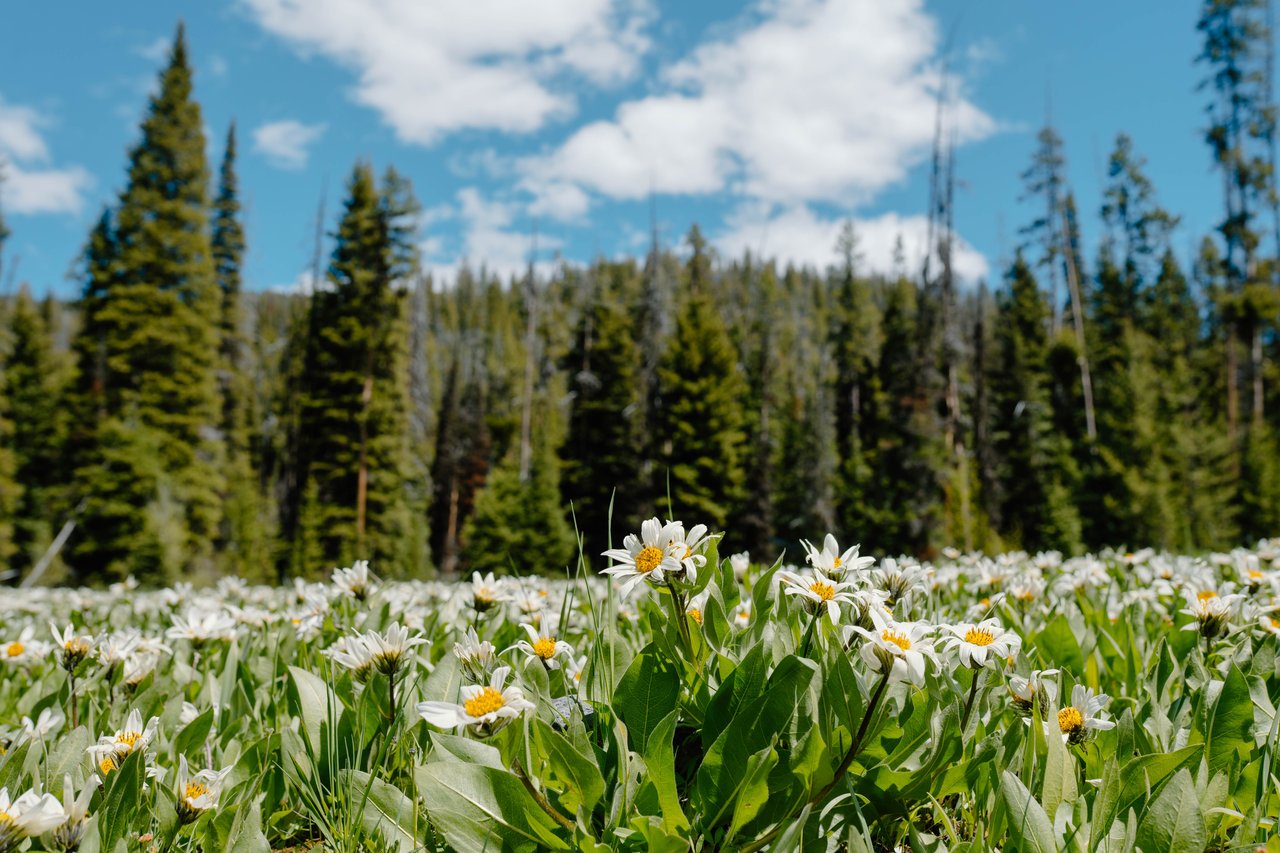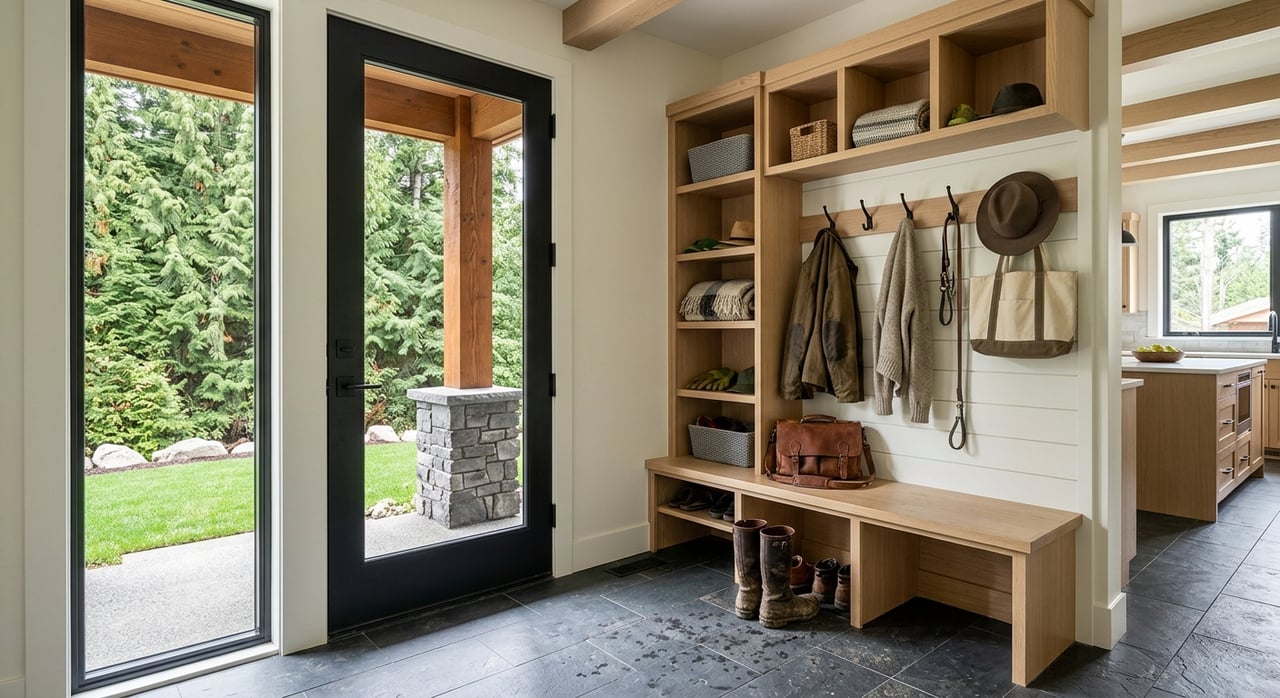
If you picture hobby-farm life as equal parts fresh eggs, muddy boots, and quiet mornings, Rathdrum gives that idea a very real shape. You may want space to garden, keep a few animals, and enjoy a more hands-on routine without feeling cut off from town. This guide walks you through what daily hobby-farm life in Rathdrum can actually look like, from chores and seasons to local rules and practical tradeoffs. Let’s dive in.
Why Rathdrum Fits Hobby-Farm Living
Rathdrum offers a middle ground that appeals to many acreage buyers. It has a rural setting on the Rathdrum Prairie, yet it stays connected with two state highways through town, access to Interstate 90 about seven miles away, and a location roughly 14 miles from Coeur d’Alene and 32 miles from Spokane.
That matters because hobby-farm life usually works best when you can balance space with convenience. In Rathdrum, feed runs, appointments, commuting, and everyday errands can feel manageable instead of complicated. For many buyers, that blend is part of the appeal.
The city also notes access to local health care services, including doctor and dental offices, physical therapy, and emergency care, along with larger hospital systems in Coeur d’Alene and Spokane. For some properties in or near town, city water and sewer collection utilities may also be part of the picture.
What a Typical Day Can Look Like
Daily hobby-farm life in Rathdrum usually revolves around morning and evening chores. Even on a small setup, you are likely building your day around animal care, shelter checks, watering, and seasonal outdoor tasks.
A simple morning might include feeding animals, refreshing water, checking gates and fencing, and collecting eggs if you keep poultry. During the growing season, you may also check irrigation, weed garden beds, or look over young plants before the day warms up.
In the evening, the routine starts again. You may secure coops or shelters, do a quick fence walk, tidy pens, and make sure feed and bedding are stored dry and organized. It is steady work, but it is also the kind of work that gives you a visible result the same day.
Common Hobby-Farm Chores
- Feed and water animals
- Check fencing, gates, and shelters
- Collect eggs
- Clean pens and coops
- Weed and irrigate garden beds
- Organize feed, bedding, and tools
The Joys That Keep People Doing It
One reason hobby-farm life appeals to so many buyers is that the rhythm feels personal and grounded. Your routine is shaped less by traffic and more by the weather, the garden, and the animals you care for.
There is also a clear reward built into the work. You can gather eggs, harvest produce, and see your property respond to daily attention. That hands-on connection is hard to replicate in a more typical neighborhood setting.
For many people, the joy is not about doing everything at a large scale. It is about having enough room to live differently, with a garden to tend, a few animals to care for, and outdoor tasks that make your home feel active and useful.
Seasonal Rhythms in Rathdrum
North Idaho seasons shape hobby-farm life in a big way. Nearby Coeur d’Alene climate normals show average January temperatures around 36.2°F for highs and 26.2°F for lows, while July averages about 82.8°F and 57.3°F, and August averages about 83.0°F and 56.0°F.
Annual precipitation averages 25.36 inches, with July and August being especially dry at 0.73 and 0.77 inches on average. That means midsummer often brings a stronger focus on irrigation, watering schedules, and keeping gardens or pasture areas from drying out too quickly.
The University of Idaho Extension reports that Kootenai County averages about 120 frost-free days, generally from mid-to-late May to mid-September. Some parts of the county may only see 90 to 110 frost-free days, so timing matters more than many newcomers expect.
Spring: Cleanup and Setup
Spring often starts with mud, cleanup, and repairs. Fences, gates, and shelters may need attention after winter, and garden beds usually need prep before planting begins.
Because the frost-free window can be short, spring is also a planning season. You may be watching temperatures closely, deciding when to plant tender crops, and trying to get ahead of weeds and watering needs.
Summer: Watering and Maintenance
Summer brings long days and a steady outdoor routine. Watering becomes a key part of the schedule because midsummer is typically the driest part of the year.
This is also the season when garden growth, weeds, and general upkeep can move quickly. If you keep animals, summer may mean extra attention to shade, clean water, and secure shelter during warmer stretches.
Fall: Harvest and Winter Prep
Fall is often the reset season on a hobby farm. You may be harvesting, cleaning up beds, storing supplies, and making sure shelters and fencing are ready for colder weather.
It is also a good time to take stock of what worked and what did not. Many hobby-farm owners use fall to simplify routines and prepare for winter feeding and storage needs before temperatures drop.
Winter: Slower, Not Still
Winter can feel quieter, but it is not chore-free. Animals still need feed, water, and shelter, and cold-weather upkeep remains part of daily life.
The pace may shift away from active growing, yet property care continues. Snow, freezing conditions, and shorter days can make even basic chores feel more important and a little more time-sensitive.
Learning the Lifestyle in Kootenai County
If you are new to gardening or homesteading, local support can make a difference. The University of Idaho Extension office in Kootenai County offers workshops in gardening, horticulture, homesteading, and permaculture, along with a plant clinic and demonstration garden.
That kind of resource can help you build confidence over time. Hobby-farm life often has a learning curve, and many buyers appreciate knowing there is local education available as they settle into the routine.
Rules Matter More Than Many Buyers Expect
One of the biggest realities of hobby-farm living in Rathdrum is that not every parcel allows the same use. Your plans for chickens, goats, horses, or other animals may depend on whether the property is inside city limits or in the county, as well as the zoning of the land.
Inside Rathdrum city limits, chickens, ducks, and quail are allowed on detached single-family lots, but roosters are prohibited. The city also requires secure, fenced housing for poultry.
For larger animals such as swine, cattle, horses, sheep, and goats, the city generally requires at least one acre. Rathdrum also uses a point system to limit how many larger animals a parcel can support.
Outside the city, Kootenai County rules vary by zoning. In some county zones, general farming and forestry are permitted with a 3/4-acre minimum for keeping livestock, and livestock care and animal-waste management must meet the regulations of the agencies with jurisdiction.
The key takeaway is simple: verify the property first. Two acreage listings can look similar on paper while allowing very different uses in practice.
Tax Expectations for Hobby Farms
Many buyers assume acreage or animals automatically mean agricultural tax treatment. In Kootenai County, that is not how it works.
The county says land must be actively devoted to agriculture as part of a bona fide for-profit enterprise to qualify for the agricultural exemption. Land used for grazing horses or other animals kept mainly for personal use or pleasure does not qualify.
That does not make a hobby farm less valuable as a lifestyle choice. It simply means you should view tax classification as a separate question from the dream of owning a small farm property.
Being a Good Neighbor on Acreage
Hobby-farm life also comes with a shared responsibility to be neighbor-friendly. Kootenai County planning materials acknowledge that residential growth and established agricultural or forest uses can overlap, so reducing conflict is part of rural living.
In everyday terms, that can mean staying on top of fencing, managing animal waste properly, and keeping your property organized. Good stewardship helps protect both your enjoyment of the land and your relationship with nearby property owners.
Waste disposal is another practical detail worth planning for. Kootenai County rural collection sites accept household refuse only and do not accept several other categories, including construction materials, tires, wood waste, yard waste beyond 96 gallons, and hazardous materials. The county does offer household hazardous waste drop-off at transfer stations for residential customers.
What This Lifestyle Really Offers
Rathdrum hobby-farm life is not about perfection. It is about choosing a home where your day includes chores, weather, seasons, and a stronger connection to the land, while still staying close to roads, services, and the wider North Idaho community.
For some buyers, that balance is exactly the point. You can enjoy acreage, animals, gardens, and a more self-directed routine without giving up access to town, medical care, and regional connections.
If you are thinking about buying or selling a lifestyle property in Rathdrum, working with someone who understands acreage, land-use questions, and day-to-day livability can make the search much clearer. To talk through what fits your goals, connect with Cindy Perry.
FAQs
What is daily hobby-farm life like in Rathdrum?
- Daily hobby-farm life in Rathdrum usually includes feeding and watering animals, checking fences and shelters, collecting eggs, tending garden beds, and repeating key chores in the evening.
What seasons affect gardening on a Rathdrum hobby farm?
- Gardening on a Rathdrum hobby farm is shaped by a relatively short frost-free season in Kootenai County, generally from mid-to-late May to mid-September, with some areas seeing even shorter growing windows.
What animal rules apply inside Rathdrum city limits?
- Inside Rathdrum city limits, chickens, ducks, and quail are allowed on detached single-family lots, roosters are prohibited, poultry need secure fenced housing, and larger animals generally require at least one acre and must follow the city point system.
What should buyers verify for a Kootenai County hobby-farm property?
- Buyers should verify zoning, parcel-specific animal allowances, fencing and shelter requirements, and whether livestock or farming uses are permitted before assuming a property fits their plans.
Do hobby farms in Kootenai County qualify for agricultural tax treatment?
- A hobby farm in Kootenai County does not automatically qualify for agricultural tax treatment because the land must be actively used as part of a bona fide for-profit agricultural enterprise.
Why do buyers consider Rathdrum for acreage living?
- Buyers often consider Rathdrum because it offers a rural setting with access to highways, Interstate 90, nearby Coeur d’Alene and Spokane, local medical services, and the day-to-day convenience many people want with acreage living.