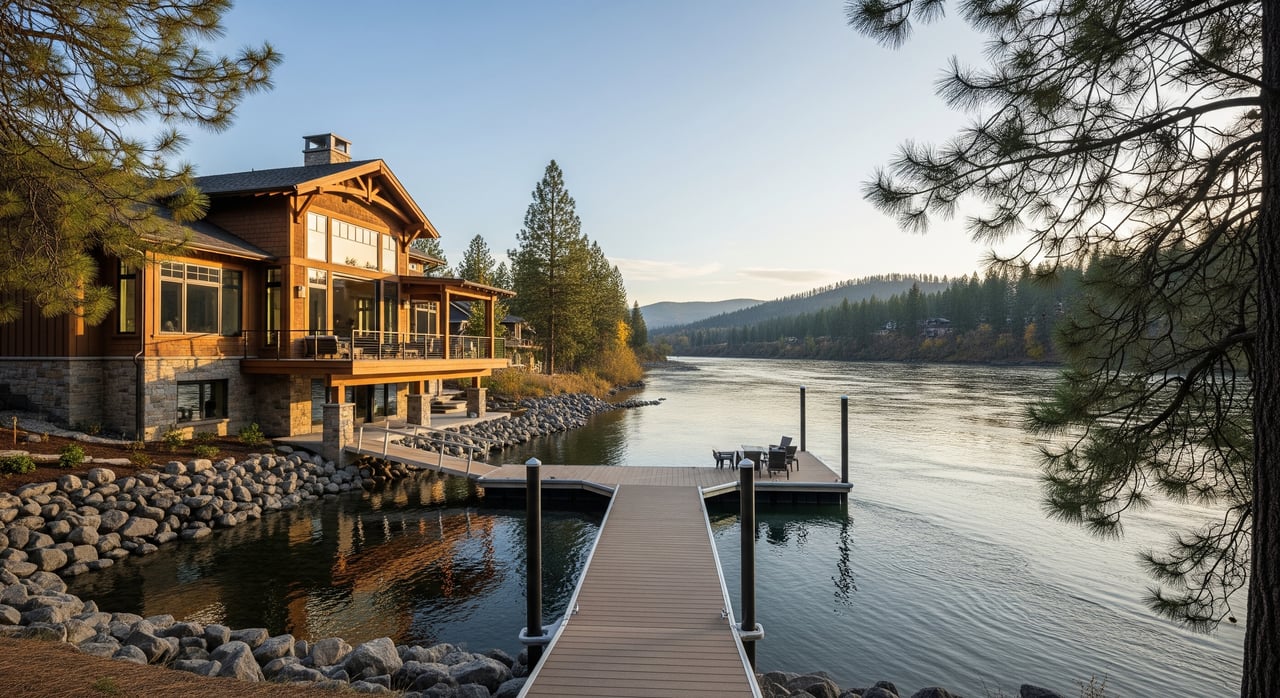
If you’re getting ready to price a riverfront home in Post Falls, you already know it’s not like valuing a typical suburban house. Each shoreline parcel feels one of a kind, and small differences can swing value a lot. You want a clear game plan so you don’t leave money on the table or overprice and miss your best buyers. This guide breaks down the factors that matter most, how appraisers approach riverfront property, and the steps you can take to set a confident price and move forward smoothly. Let’s dive in.
Why riverfront pricing is different in Post Falls
Post Falls sits along the Spokane River just downstream from Lake Coeur d’Alene. Buyers come for water access, views, and recreation like boating and fishing. That lifestyle appeal drives demand, especially in summer when showings peak for waterfront homes.
Waterfront inventory here is limited and highly varied. Parcel-specific traits like usable bank, dock rights, and flood risk carry more weight than neighborhood averages. With fewer direct comps, pricing relies on careful adjustments, recent local sales, and strong documentation.
Key factors that drive value
Access and the type of water access
Water access is a primary value driver. Private, deeded access and on-site docking add significant value compared to shared or public access. If a property is “near-river” without legal access to the water, expect a discount.
Bank usability matters, too. A gentle, walkable slope increases day-to-day enjoyment and marketability, while a steep or hard-to-reach bank can limit use.
Frontage length and orientation
Linear feet of waterfront frontage is a common benchmark, but quality counts as much as quantity. Usable, stable frontage with pleasant water conditions attracts stronger offers than rocky or marshy stretches.
Orientation affects light and views. Open vistas and favorable sun exposure often translate into a stronger buyer response and higher pricing.
Site improvements and amenities
Docks, boat lifts, patios, engineered riprap, and improved paths can add meaningful value when they are properly permitted and maintained. Buyers tend to pay up for turn-key usability.
Shoreline improvements that mitigate erosion or flood risk can support value if they are compliant with permits and designed correctly for the site.
Flood risk and FEMA status
FEMA flood zone placement and Base Flood Elevation influence both value and affordability. Homes in higher-risk zones can require flood insurance, which affects carrying costs and sometimes lender eligibility.
Clear documentation helps. If you have a recent elevation certificate or mitigation improvements, include them in your pricing file and marketing package.
Bank stability and erosion
Active erosion or slope instability can reduce value and create negotiation leverage for buyers. Evidence of sound bank stabilization, historic high-water marks, or past remediation should be disclosed and documented.
If you’ve completed shoreline work, keep copies of permits and contractor records. Buyers will expect to see them during due diligence.
Legal rights, easements, and title
Legal clarity matters as much as physical features. Dock ownership, moorage rights, recorded easements, and shoreline rights should be verified and easy to explain. If access is shared or restricted, price accordingly.
Unpermitted structures or unclear rights can slow a sale and push pricing lower until issues are resolved.
Environmental quality and water conditions
Water clarity, seasonal weeds, or advisory history can influence perceived value and recreational use. Be transparent about known conditions and maintenance practices.
Buyers often ask about invasive species and seasonal flows. Having local records or credible contacts ready can build trust.
Utilities, access, and infrastructure
Convenient access, reliable year-round road conditions, parking for trailers, and sewer or septic details all factor into value. Verify well and septic status, and make sure your utility notes are current.
Small conveniences add up. Practical features that support boating and hosting make a difference in buyer decisions.
Rarity and market comparability
The most desirable parcels are scarce, which can push prices higher. Conversely, lots with constrained access or limited usability may trade at discounts despite “waterfront” in the description.
When you set price, focus on the parcel’s unique advantages and document them thoroughly.
Flood risk, permits, and rights
Floodplain rules, shoreline permits, and agency approvals are an essential part of riverfront ownership and pricing. FEMA Flood Insurance Rate Maps determine flood zones and influence lender requirements. Local regulations in Post Falls and Kootenai County can affect new structures, shoreline work, and development standards.
If you plan to add or modify a dock, seawall, or perform bank work, you may need approvals from multiple agencies. Depending on the scope, that can include the U.S. Army Corps of Engineers, Idaho Department of Water Resources, Idaho Department of Lands, and local planning departments. Timelines vary, so start early.
Water rights and navigability rules can limit exclusive control over parts of the shoreline. Confirm recorded rights, any public access elements, and dock ownership details with your title company and appropriate agencies. Unpermitted or noncompliant shoreline structures discovered during due diligence can reduce price and delay closing.
How appraisers price riverfront homes
Appraisers lean on the sales comparison approach but adjust more deeply for waterfront attributes. Expect explicit adjustments for frontage, dock presence and permits, type of access, flood zone, and bank usability. When comps are scarce, the cost approach helps ground value for newer construction or well-documented improvements.
If the property has proven short-term rental history, the income approach may apply. Provide clean documentation of income and expenses if you want that considered.
Small sample sizes often require a broader search radius or older comps with time adjustments. The best appraisals analyze property-level traits instead of relying on neighborhood averages alone.
Pricing strategy for Post Falls sellers
Price the whole waterfront story, not just the view. Focus on your usable frontage, legal rights, bank stability, flood status, and permitted improvements. Then position those strengths clearly in your listing.
Here is a practical approach:
- Gather proof. Compile surveys, elevation certificates, dock and shoreline permits, and maintenance records.
- Be realistic. Align your price with actual usability and rights rather than a generic “waterfront” premium.
- Reduce uncertainty. Consider a pre-listing shoreline or bank inspection so buyers feel confident.
- Plan the season. Summer can bring more riverfront showings, but serious buyers shop year-round. Strong documentation helps in any season.
- Anticipate the appraisal. If your price is above nearby sales, be ready with clear comps, frontage details, and a written feature sheet.
Buying on the Spokane River: set your plan
Start with a budget that includes riverfront realities. Add line items for flood insurance if required, shoreline maintenance, and potential permitting work.
Then build a due diligence timeline that fits the property. Schedule a shoreline or bank inspection, confirm flood zone status, and secure an elevation certificate if available. If you plan future improvements, speak early with local planning staff and relevant agencies.
Finally, leave room for appraisal timing. Unique waterfront traits can create appraisal gaps. If that happens, you may negotiate price, increase your down payment, or seek an appraisal review.
Cost and financing realities
Riverfront ownership includes ongoing costs. Erosion control, dock upkeep and winterization, and vegetation management are common. Flood insurance and homeowners premiums can also be higher for some properties.
Financing can be more conservative for unique waterfront homes. Lenders often require full appraisals and may limit loan-to-value if comps are thin or flood risk is elevated. If an appraisal comes in low, you may need to adjust terms or increase cash at closing.
The more documentation you provide, the fewer surprises you face. Clean records help lenders, appraisers, and buyers align on value.
Step-by-step due diligence
Buyer checklist
- Obtain a recent ALTA or land survey showing deeded shoreline frontage and improvements.
- Order a title search to confirm recorded easements, dock or moorage rights, and any restrictions.
- Get a FEMA flood zone determination and an elevation certificate if available.
- Hire a shoreline and erosion assessment, and consult a permitting professional if improvements are planned.
- Review local zoning, shoreline, and floodplain rules with municipal staff or a land-use attorney.
- Verify septic, well, and utility details, plus road and parking access for boats and trailers.
Seller checklist
Gather surveys, permits, elevation certificates, shoreline maintenance records, and any enforcement correspondence.
Prepare disclosures on flood history, erosion or siltation issues, invasive species awareness, water-quality advisories, and prior insurance claims.
Consider a pre-listing shoreline inspection to reduce buyer uncertainty and support your price.
What to expect at the negotiation table
Buyers will test the price with risk questions. Be ready to share flood status, insurance quotes if available, shoreline permits, and bank stability documentation. Clear, well-organized records often translate into stronger offers.
If the appraisal is tight, return to the facts. Frontage, usable access, documented dock ownership, and permitted improvements are the strongest support for value. The goal is to show that your waterfront is both enjoyable and secure to own.
Ready to talk strategy?
When you’re selling or buying on the Spokane River, your outcome improves with a clear plan, local knowledge, and strong documentation. If you’re weighing a price, preparing to list, or trying to evaluate a specific parcel, let’s talk about your next step and the timing that fits your goals.
Connect with Cindy Perry to craft your pricing strategy and position your riverfront home for a premium result.
FAQs
How much premium do Post Falls riverfront homes command?
- It varies by parcel and market timing, but high-quality, usable waterfront often commands a premium that reflects private access, dock ownership, views, and lower perceived risk.
Will I need flood insurance on a Spokane River home?
- It depends on FEMA flood zone status and your lender’s rules; properties in higher-risk zones typically require flood insurance, and premiums can affect affordability and negotiations.
Can I add a dock or build shoreline protection in Post Falls?
- Possibly, but most in-water or bank work requires permits from multiple agencies; start early with local planning staff and confirm requirements before you budget or schedule work.
What affects a riverfront appraisal the most?
- Appraisers adjust for frontage length and quality, legal access, flood zone and elevation, dock presence and permits, bank usability, and the condition of shoreline improvements.
Are there seasonal considerations for listing or improving a riverfront home?
- Yes; buyer activity for water-access homes often rises in summer, and certain in-water work may have seasonal windows to protect water quality and habitat.