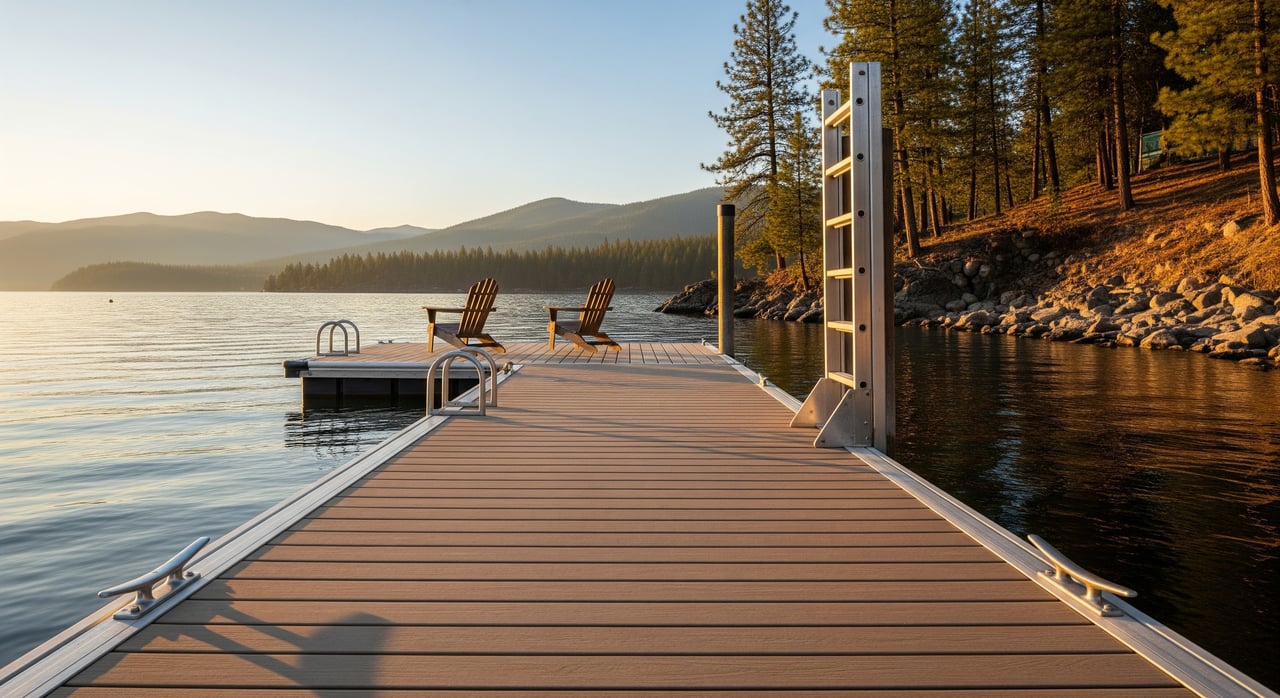
Thinking about a home on Lake Coeur d’Alene and picturing a morning coffee on your dock? Before you buy or start any shoreline project, you need a clear plan for permits and approvals. Waterfront improvements touch state, local, and sometimes federal or tribal rules, and missing a step can cost time and money. In this guide, you’ll learn the essentials for docks and shoreline work around Coeur d’Alene so you can move forward with confidence. Let’s dive in.
Why permits matter on Lake Coeur d’Alene
Shoreline projects like docks, boat lifts, boathouses, grading, and vegetation removal often require one or more approvals. On Lake Coeur d’Alene, your riparian rights are balanced with state ownership of submerged lands and rules that protect navigation, habitat, and water quality.
If you are buying, an existing dock might not have current, transferable permits. Unpermitted structures can delay closing, trigger retrofit costs, or even result in removal orders. If you are selling, organized permit records and clear disclosures help you avoid surprises and keep the deal on track.
Who regulates docks and shoreline work
Several agencies may be involved. Always confirm your exact requirements with the appropriate offices for your location and scope.
State of Idaho
- Idaho Department of Lands (IDL), Waterways/Submerged Lands Program: IDL typically administers leases or authorizations for structures that occupy state-owned lakebed, including private docks and lifts. Expect review of size, anchoring, navigation, and lease fees where applicable.
- Idaho Department of Environmental Quality (IDEQ): Oversees water quality and construction discharges. Shoreline grading, erosion control, and stormwater measures may fall under IDEQ standards.
- Idaho Department of Fish and Game (IDFG): Projects that affect fish habitat may involve consultation and seasonal work windows to protect fish.
Federal
- U.S. Army Corps of Engineers (USACE): Work in navigable waters, any dredge or fill, or structures that could affect navigation may require a federal permit. The need depends on the location, type of structure, and whether dredge or fill is involved.
- Environmental Protection Agency (EPA)/Federal rules: Clean Water Act requirements interface with state permitting. Coordination with IDEQ and USACE is common.
Local (city and county)
- City of Coeur d’Alene Planning & Zoning and Building: Inside city limits, local shoreline overlays, zoning, building permits, and setbacks apply. Municipal standards may address pier design and lighting.
- Kootenai County Planning & Building: In unincorporated areas, county land-use, floodplain, setback, and building permits govern your project.
- HOAs, marina agreements, and neighborhood covenants: Private rules may be more restrictive than government standards, especially for size or appearance.
Tribal interests
- Coeur d’Alene Tribe: The Tribe has interests in the lake and may be involved in consultations if projects could affect resources or tribal trust responsibilities. Contact is especially important near tribal lands or historic resources.
Permit types and a typical process
While every property is unique, most projects follow a similar path. Start early and keep clear records.
Step 1: Confirm property and lakebed rights
Many states, including Idaho, hold title to submerged lands below the ordinary high water line. Your shoreline use rights typically require state authorization to place a structure on the lakebed. Confirm the ordinary high water mark on your parcel, review your deed and survey, and look for easements or encumbrances.
Step 2: Identify needed permits
You may need one or more of the following approvals, depending on your plan and location:
- State submerged-lands lease or authorization from IDL.
- Local building, shoreline, and land-use permits from the City of Coeur d’Alene or Kootenai County.
- USACE authorization if work affects navigable waters, involves dredging or fill, or could obstruct navigation.
- Environmental reviews or consultations, which can include IDEQ for water quality and IDFG for fish habitat and timing. Tribal consultation may apply in some cases.
- Additional permits for wetlands, floodplain, or designated habitat areas, as applicable.
Step 3: Prepare application materials
Most applications require clear documentation. Common items include:
- A site plan and vicinity map showing property lines, existing waterline, proposed dock location, dimensions, and distances to neighboring docks.
- Cross-sections or elevation drawings for fixed structures.
- Construction methods and materials, including whether the dock is floating or fixed and how it will be anchored.
- Erosion and sediment control plan and any vegetation mitigation.
- Proof of ownership and shoreline frontage length.
- For IDL: a completed lease or authorization application, often with a plan of occupancy.
Step 4: Reviews, timelines, and fees
Local building permit reviews often take weeks. State submerged-lands leases and federal permits can range from weeks to several months, based on complexity and whether public notice or environmental review is required. Fees vary by agency, structure size, and the type of authorization. Some approvals may require neighbor notification, public comment, or seasonal work windows.
Step 5: Inspections, compliance, and transfers
Expect inspections during or after construction. Owners are responsible for safe maintenance, keeping navigation clear, and addressing hazards. State leases and some local permits can transfer at sale, but they usually require notification and paperwork to update the permittee.
Design and environmental limits to expect
Agencies aim to balance access, safety, and habitat protection. You will likely encounter standards such as:
- Size and footprint limits: Length, width, and number of slips are commonly limited to reduce visual and environmental impacts.
- Setbacks and spacing: Docks are often kept a certain distance from property lines and neighboring structures to prevent encroachment and preserve access.
- Anchoring and mooring: Requirements vary for pilings versus floating anchored systems to protect the lakebed and navigation safety.
- Vegetation and shoreline work: Removing native riparian plants can trigger mitigation or a permit. Native buffers are encouraged to reduce erosion and support habitat.
- Seasonal timing: In-water work may be limited to certain months to protect fish spawning and migration.
- Covered structures and boathouses: These are often more restricted than open docks due to shading and visual impact. New boathouses may be limited or prohibited in some areas.
- Utilities and lighting: Electrical and lighting must meet local code and minimize environmental impacts.
- Dredging: Creating deeper slips usually faces stricter review and higher costs due to water quality, sediment disposal, and habitat concerns.
- Floodplain and stormwater: If your site lies in a regulated floodplain or alters runoff, expect additional reviews.
Buyer due diligence checklist
Before you write an offer or during your inspection period, cover these steps:
- Request copies of all dock permits, submerged-lands leases, as-built drawings, surveys, and any agency correspondence.
- Confirm with IDL whether the dock occupies state-owned submerged land and whether a current lease exists.
- Hire a licensed surveyor to verify property lines and the ordinary high water mark relative to the dock.
- Check city or county permit history for the parcel. Review title for easements and encumbrances.
- If the dock is unpermitted or grandfathered, consult with IDL and the local building department about what it would take to legalize, modify, or remove it.
- Review HOA, marina, or neighborhood rules that could affect replacement or expansion.
- Budget for ongoing maintenance, potential seasonal removal, and insurance considerations.
Seller preparation checklist
If you plan to list a waterfront property, prepare a complete, easy-to-share package:
- Gather every document: permits, leases, as-built plans, surveys, fee records, and any agency communications.
- Confirm permit and lease renewals. Resolve outstanding compliance items.
- Disclose any unpermitted elements or enforcement actions.
- Be ready to explain transfer steps for state leases or local approvals that require assignment or notification at closing.
Common scenarios and what to expect
Will an existing dock transfer with the sale?
Often yes, but many approvals require notice and paperwork to update the permittee. Some leases may adjust fees upon transfer. Buyers and sellers should coordinate early so the assignment is completed before closing.
What if a dock was built without permits?
Unpermitted structures can trigger enforcement. You may face retroactive permitting, modifications, fines, or removal. Address the issue before listing or closing to avoid delays and unexpected costs.
Can you build any size dock you want?
No. Size and placement are typically limited by state lease rules, local shoreline standards, and navigation safety. Your frontage length and proximity to neighbors will influence the design.
Do small docks need environmental review?
It depends on location and methods. Smaller floating docks may have streamlined processes, but projects that affect wetlands, require dredging, or disturb fish habitat usually face additional review.
How long will permits take?
Local permits are often measured in weeks. State and federal reviews can take months, especially if public notice or complex environmental issues are involved. Plan ahead and build permitting time into your project schedule.
Smart first calls to make
- Start with IDL to confirm any required lease or authorization for your dock footprint.
- Contact the City of Coeur d’Alene or Kootenai County to verify zoning, shoreline overlays, building permits, floodplain rules, and setbacks for your parcel.
- Ask IDEQ about erosion control and water quality requirements for your construction approach.
- Check with IDFG on seasonal work windows or habitat considerations.
- Determine whether your project requires USACE review, especially if any dredge or fill is proposed.
- If your site is near tribal lands or could affect tribal resources, consult the Coeur d’Alene Tribe’s natural resources office.
Pro tips from a local perspective
- Engage early. Make agency contact before you design or bid the project. Early feedback can save redesigns and time.
- Commission a shoreline survey. Confirm legal frontage, the ordinary high water line, and relationships to adjacent docks.
- Document everything. Keep permits, plans, inspection reports, and leases. Organized files support smooth sales and transfers.
- Plan for maintenance. Understand seasonal removal practices, required inspections, and your obligations under each permit.
- Minimize impacts. Designs with smaller footprints, limited in-water disturbance, native vegetation buffers, and non-toxic materials can reduce permitting complexity.
Whether you are purchasing a waterfront retreat or preparing to list a property with a dock, clear permitting is the key to a smooth transaction. For one-on-one guidance tailored to your shoreline, connect with Cindy Perry for local insight and a plan that supports your goals.
FAQs
Who owns the lakebed on Lake Coeur d’Alene?
- In Idaho, the state typically holds title to submerged lands below the ordinary high water line. Riparian owners have usage rights that often require an IDL lease or authorization for docks.
What permits are usually needed for a new dock?
- Expect a state submerged-lands lease or authorization, local building and shoreline permits, and possibly a USACE permit if dredge or fill is involved or navigation could be affected.
How do I verify a dock’s permits before buying a home?
- Ask the seller for permits, leases, surveys, and correspondence, then confirm status with IDL and the local building department. A licensed surveyor can verify boundaries and water lines.
Can a dock permit or state lease transfer to me at closing?
- Often yes, but most approvals require notification and assignment paperwork. Plan ahead so transfer documents are completed before closing.
What happens if a dock was built without permits on Lake Coeur d’Alene?
- Unpermitted structures may face enforcement actions that can include retroactive permitting, fines, modifications, or removal. Resolve the issue before closing.
How long do shoreline permits and reviews take in Kootenai County?
- Local permits can take weeks. State leases and federal permits may take months, especially for complex projects or those requiring public notice or environmental review.