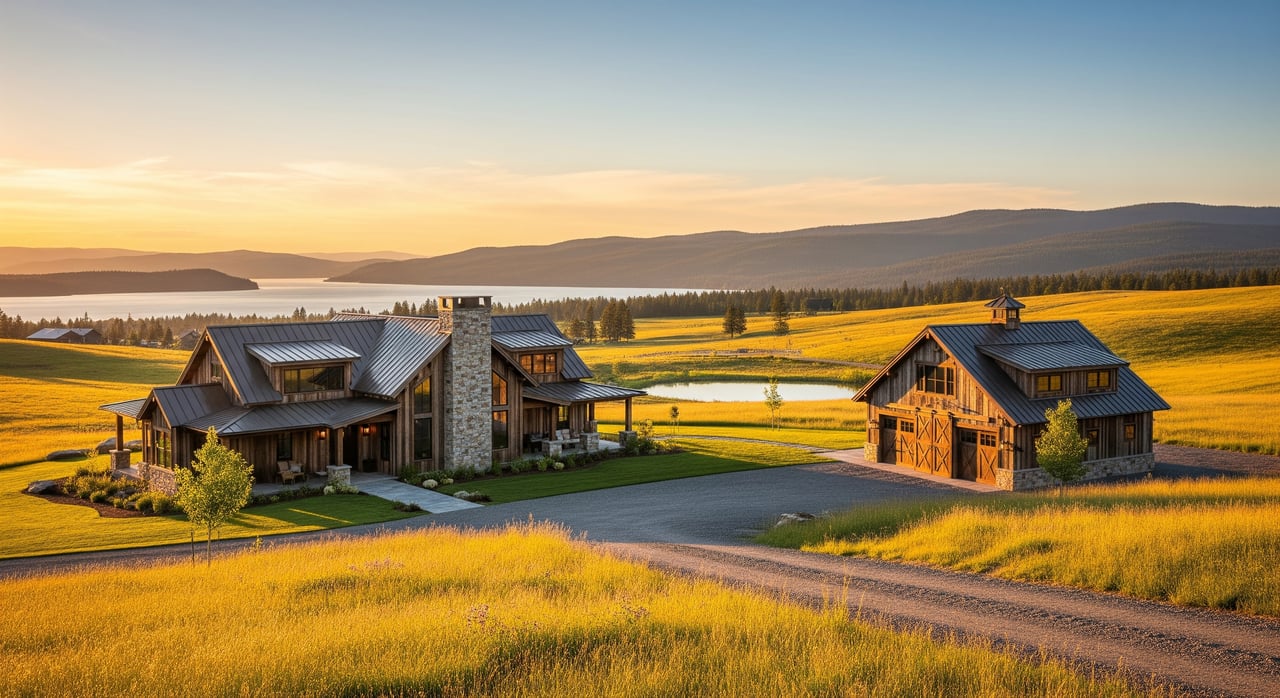
Thinking about trading elbow room for wide-open space? If you are torn between acreage near Hayden and acreage near Rathdrum, you are not alone. Both areas offer privacy, room for animals or hobbies, and quick access to North Idaho’s outdoor life. In this guide, you will learn how the two locations differ on value, utilities, zoning, lifestyle, and what to check before you buy. Let’s dive in.
Hayden vs Rathdrum at a glance
- Hayden offers acreage closer to established services and Hayden Lake recreation. Some parcels sit inside city limits, others in the county.
- Rathdrum leans more rural with generally larger parcels and a small-town feel. Many buyers find more land per dollar compared with lake-adjacent areas.
- The biggest factor is not just the town name. Whether a parcel is inside city limits or in unincorporated Kootenai County drives zoning, utilities, taxes, and permits.
What drives per-acre value
Proximity to water and services has a big influence on price. Parcels near Hayden Lake or with municipal water or sewer often command premiums. Acreage that is more remote, heavily timbered, or requires private systems typically lists at a lower price per acre.
Access also matters. Property closer to highways or main corridors tends to draw more buyers, which can raise prices. That convenience can come with more traffic or road noise, so balance commute time with your need for quiet.
Utilities and topography can tip the scale. Long power extensions, steep slopes, or engineered foundations add cost to a build and can affect both list price and total project budget.
Zoning and jurisdiction basics
City limits vs county parcels
Before you fall in love with a property, confirm who sets the rules. Parcels inside Hayden or Rathdrum city limits follow city zoning and building codes. Parcels in unincorporated Kootenai County follow county code.
Zoning controls minimum lot size, allowed uses, accessory structures, setbacks, and animal allowances. If you want horses or small livestock, review the exact zoning and any covenants to confirm what is allowed.
Annexation and future changes
Some acreage near growing city boundaries could be annexed in the future. Annexation can change service availability, taxes, and zoning. Ask planning staff for current future land-use maps and whether changes are on the horizon.
Covenants and HOAs
Many acreage properties sit inside recorded subdivisions with covenants. CC&Rs may limit livestock numbers, restrict commercial uses, require certain building materials, or set minimum home sizes. Other parcels are free of covenants and offer more flexibility.
Always review the title documents for covenants before you write an offer. If you plan to add a shop, kennel, or home business, covenants can be the deciding factor.
Water, septic, power, and internet
Water: municipal vs well
Municipal water is available only in limited service areas, mostly inside city boundaries or defined districts. Parcels with municipal water often sell at a premium. Most rural acreage relies on private wells. Well depth and production vary by geology and location, so ask for well logs and consult state water-right records if irrigation is important.
Septic and soil suitability
Most acreage uses on-site septic systems. A soil evaluation or perc test is key to confirm feasibility and system type. Older systems may need upgrades, and engineered designs can drive costs when soils are challenging or groundwater is high.
Power, propane, and energy options
Electric service reaches many corridors, but some parcels will require service extensions at the buyer’s cost. Others may rely on propane, generators, or solar. Confirm power pole locations and any setbacks that might affect where you can build.
Broadband and cell service
Rural internet is highly location-specific. Some areas have fiber or cable while others use DSL, fixed wireless, or satellite. Check provider maps and ask neighbors for real-world speeds. If you work from home, make broadband a top due-diligence item.
Access and roads
Access can be on a public county road, a private road, or via an easement across neighboring land. Private roads often require shared maintenance agreements and can have seasonal issues. County snow removal varies by road classification, so confirm plowing schedules if winter access matters to you.
If you need to add or change a driveway connection, you may need a road access permit and culvert that meet sight-distance and drainage standards.
Natural hazards and land factors
Wildfire and defensible space
Northern Idaho’s wildland-urban interface brings wildfire risk. Insurers may price policies based on distance to fire protection and local risk. Plan for defensible space around buildings and ensure emergency vehicles can reach your home year-round.
Floodplains and water features
Parcels near lakes, rivers, or streams may sit in mapped flood zones. Flood insurance and elevation standards could apply. Wetlands or shoreline areas can also trigger state or federal permits for certain work.
Soils, slopes, and timber
Soil type affects septic design and foundation costs. Steeper slopes can increase grading and limit buildable areas. Tree cover is an asset for privacy and potential timber value, but it can increase fire fuel and require management.
Wildlife and rural realities
Expect periodic wildlife presence and plan for appropriate fencing, food storage, and pet or livestock protection. Insects and allergens can be seasonal factors that affect daily life on acreage.
Lifestyle and daily living
Recreation and the outdoors
If you love water sports, proximity to Hayden Lake is a major draw for boating and fishing. Around Rathdrum, you often find broader access to trails, hunting areas, and forest recreation depending on the exact parcel. Both areas connect you to regional adventures, including rivers and mountain resorts within a reasonable drive.
Schools, medical, and shopping
Both Hayden and Rathdrum are served by local school districts. Verify the district and specific school for any parcel you are considering. Primary care and urgent care are available in regional towns. For specialized or hospital-level care, plan for additional drive time. Hayden-adjacent parcels typically enjoy closer access to full-service shopping and retail. Some Rathdrum-area parcels may require longer trips for larger errands, depending on location.
Commuting and transportation
Commute time to Coeur d’Alene or the Spokane metro varies widely by parcel. Being near a highway or interstate can shorten your drive and increase buyer demand later, but it may also bring more traffic and sound. Choose a location that matches your routine and noise tolerance.
Costs to plan for
Budget for more than just the purchase price. Common development cost drivers include:
- Well drilling and pump installation
- Septic design and installation, including engineered systems
- Driveway construction and culverts
- Power extensions or alternative energy systems
- Grading and foundation work on sloped or rocky sites
- Permitting and connection or impact fees
Actual costs vary by site conditions and contractor rates. Get parcel-specific estimates early.
Buyer due diligence checklist
Use this list to move confidently from interest to offer:
- Confirm jurisdiction: city limits or unincorporated county.
- Pull zoning and future land-use maps for the parcel.
- Obtain and review CC&Rs and any HOA documents.
- Request well logs and verify any water rights if irrigation matters.
- Order a soil evaluation or perc test and verify septic permits or approvals.
- Confirm electric and broadband availability and any extension costs.
- Verify legal access and get private road maintenance agreements in writing.
- Order a current title report and ALTA survey to confirm boundaries and easements.
- Check FEMA flood maps and local floodplain status.
- Review wildfire risk and local fire district coverage.
- Ask for recent property tax history and any special assessments.
- Verify any timber, agriculture, or conservation restrictions.
- Gather copies of building and system permits for existing improvements.
- Confirm school district assignment if relevant to your plans.
Which area fits your lifestyle?
Choose Hayden if you want quicker access to shopping and Hayden Lake recreation, and you value being closer to established services. Expect higher per-acre prices in many lake-proximate areas and a mix of city or county parcels.
Choose Rathdrum if your priority is a more rural feel with the potential for larger lots and typically lower per-acre pricing. You will likely rely more on private systems and longer drives for certain errands, depending on the exact location.
Either way, focus on the parcel’s specific features: jurisdiction, utilities, access, soils, and covenants. That parcel-level reality will shape your daily life and your total cost of ownership more than the city name alone.
Ready to compare actual parcels side by side or build a custom search for acreage that fits how you live? Reach out to Cindy Perry for local guidance tailored to your goals.
FAQs
Which is generally cheaper per acre, Hayden or Rathdrum?
- In general, acreage farther from Hayden Lake and major services, including many Rathdrum-area parcels, lists at lower per-acre prices; premiums show up near lakes and where municipal utilities are available.
What are the biggest hidden costs when building on acreage?
- Common budget drivers include well drilling, septic design or upgrades, driveway and culvert work, power extensions, and engineered foundations on sloped or challenging soils.
Is it better to buy inside city limits or in the county for acreage?
- City parcels may offer municipal services and closer amenities but usually have stricter codes and potentially higher taxes; county parcels often allow more rural flexibility but rely on private systems.
Can I keep horses or small livestock on acreage in Hayden or Rathdrum?
- Often yes, but it depends on the exact zoning and any covenants; check animal-unit limits, setbacks, and subdivision rules before you commit.
How long do permits usually take for rural projects?
- Timelines vary by jurisdiction and project scope; simple permits can be weeks while wells, septic designs, or variances may take months, so start conversations with the planning offices early.