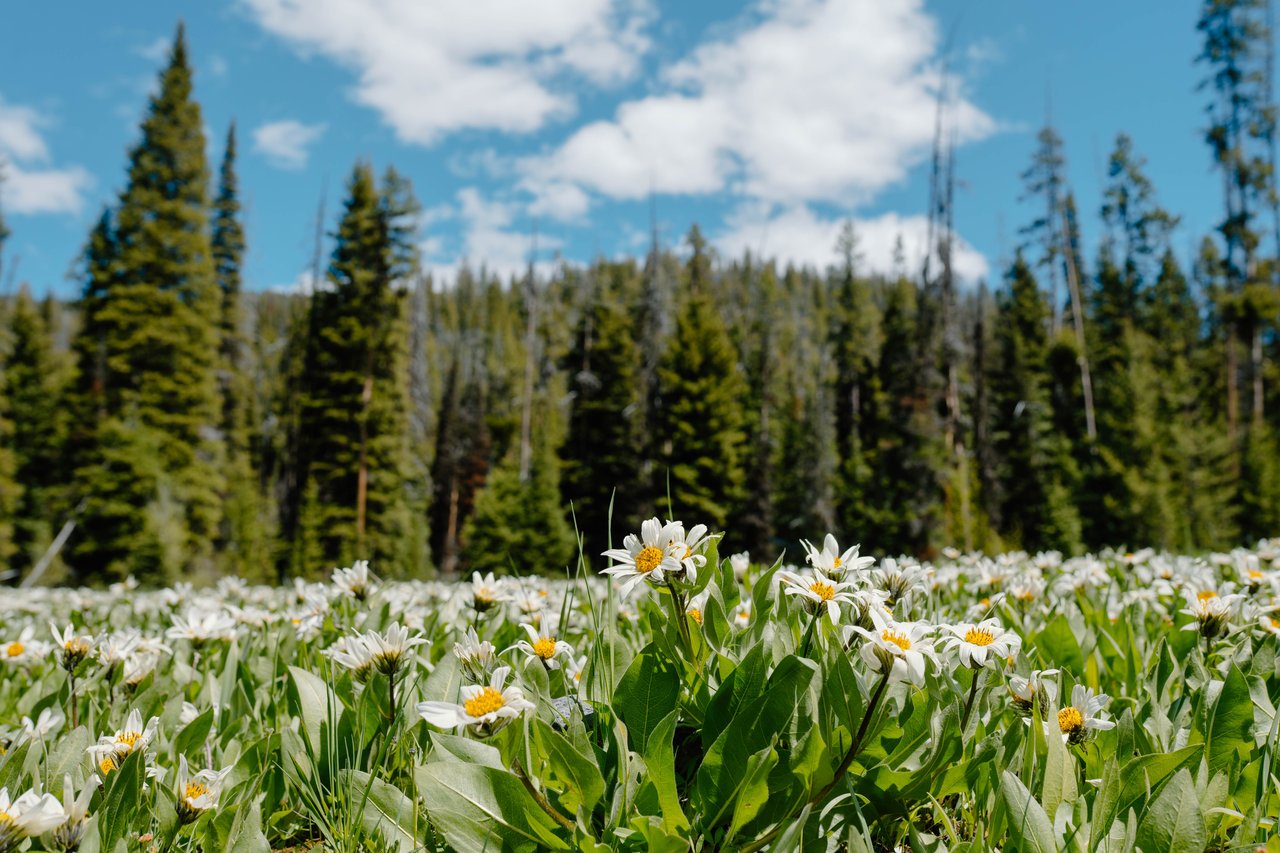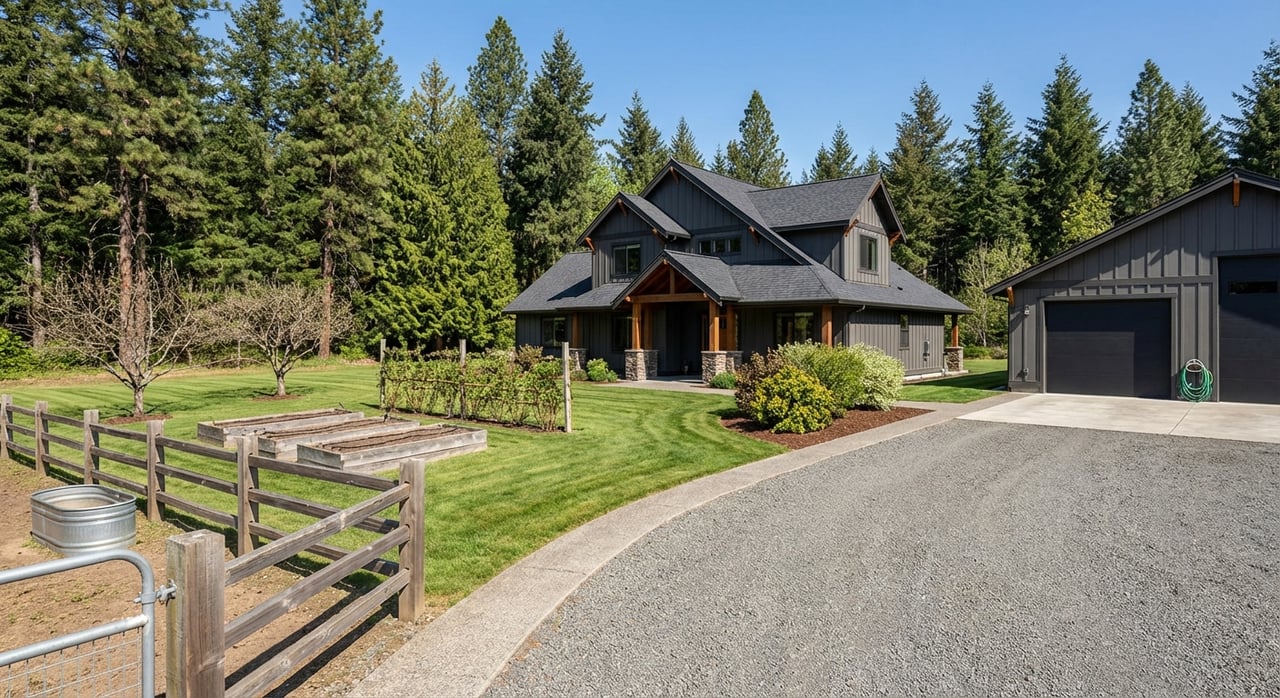
Picture quiet mornings under tall pines, room for a garden and a shop, and a quick drive to boat ramps and trailheads. If you are drawn to acreage near Athol in North Idaho, you probably want both elbow room and easy access to the outdoors. You also want a clear view of the day-to-day details that make rural life work well. In this guide, you will learn what to expect with land use rules, wells and septic, utilities, animals, chores, and local resources so you can plan with confidence. Let’s dive in.
Why Athol acreage appeals
Location and recreation
Athol sits in north Kootenai County with Silverwood nearby and quick access to Farragut State Park and Lake Pend Oreille. You can hike or bike, launch a boat, or explore miles of trails within a short drive. If you like the idea of nature at your doorstep, the park’s mix of camping, trails, and lake access is a daily lifestyle perk for local acreage owners. Explore the park’s amenities at the official page for Farragut State Park.
Property types you see
Around Athol, you will find hobby ranches, 1 to 10 acre homesites, equestrian-friendly parcels, and shops built for boats or RVs. Many parcels are set up for small livestock or gardens, with room for a detached shop or guest storage. The county’s rural zoning shapes what you can do, so a quick read of the local rules is part of smart planning.
Land use rules to know
Livestock and feedlots
Kootenai County’s Land Use and Development Code outlines what parcels can support livestock and how many animals you can keep. In many rural or residential zones, the code notes a minimum lot area of about 3/4 acre for keeping livestock, while more intensive feedlot operations require much larger acreage such as 15 acres along with added standards. If you dream of a few horses or goats, you may be in great shape on small acreage, but larger herd plans usually need more land and permits. Review the county’s guidance in the Kootenai County Land Use and Development Code.
Shops, storage, and RVs
Accessory buildings are common wants on acreage, from a 40×60 shop to indoor RV storage. The county code sets size thresholds and when permits or special notice apply. Some accessory uses, like cottage industries or an accessory living unit, have parcel size triggers such as 2 acres. The code also covers RVs and temporary living during construction. Short-term RV use may be allowed, while long-term occupancy is regulated. The same county code is your go-to reference for what is allowed.
Agricultural tax classification
Idaho law allows certain parcels to be appraised as agricultural land if they meet size and use rules. Parcels over 5 contiguous acres used for qualifying crops or grazing can often be valued as agricultural. Smaller parcels can sometimes qualify if they meet production or income thresholds. This classification can change your tax picture, so review the statute and confirm county deadlines. Start with Idaho’s “land actively devoted to agriculture” rules in Idaho Code §63-604.
Water, septic, and soils
Wells: what to check
Most acreage around Athol relies on private wells. Well performance varies by site and geology. Before you buy, pull the well log to see depth, casing, static water level, and any yield notes. The Idaho Department of Water Resources maintains well logs and requires permits and licensed drillers for new wells. Use the public database for IDWR well logs.
Septic systems: permits and records
Septic design is site-specific. Near lakes or in low-lying areas, you may need specialized systems and careful setbacks. Always request the septic permit file to learn the approved system type, tank size, drainfield location, and any reserved replacement area. Panhandle Health District maintains those records and oversees permits. Start your due diligence with the Panhandle Health District.
Everyday services and maintenance
Power, heat, and internet
Electricity is provided by investor-owned utilities and cooperatives in different parts of the county. Availability and line-extension costs depend on exact location. Broadband is also highly address-dependent. Some corridors have cable or fiber, while others rely on fixed wireless or satellite services. Ask sellers for recent speed tests and check address-level options using an area overview like this Athol internet provider summary.
Roads, snow, and access
Snow removal and access are part of rural life. County plows focus on public collectors and school bus routes, and private roads are often owner maintained. If a parcel sits on a private lane, ask for recorded road maintenance or easement agreements and confirm who pays for plowing and grading. Plan for equipment or a contractor to keep driveways and lanes passable in winter.
Fencing, pasture, and animals
On 1 to 10 acre properties, you will likely budget for fencing repairs, mowing, and pasture care. If you plan to keep small livestock, look into rotational grazing, manure management, and winter feed storage. For practical how-to guides and workshops, the University of Idaho Extension’s small-acreage resources are a strong starting point. Explore the Extension’s library for life on small acreages. For help with soil testing, noxious weeds, or conservation plans, check the Kootenai–Shoshone Soil & Water Conservation District.
Fire safety, insurance, and peace of mind
Wildfire is a seasonal risk across North Idaho. Fire protection service and response time vary by district, which can influence your insurance premiums. Confirm which district covers a parcel and ask about defensible space and home hardening recommendations. Start with local guidance from Kootenai County Fire & Rescue. Many insurance carriers look favorably on documented mitigation steps, from limbing trees to clearing gutters.
Community rhythm and daily errands
Athol offers small-town services and big recreation. For major groceries, medical services, and contractors, many acreage owners drive to Coeur d’Alene, Post Falls, or Rathdrum. Expect 20 to 40 minute trips for bulk errands, and plan delivery schedules for hay, pellets, or larger equipment. That trade-off is part of the peace and privacy you gain at home.
A day in the life on 5 acres
Morning might start with a quick pasture check, feeding a few horses or collecting eggs. If it snowed, you will clear the driveway and check road conditions. Afternoon could be fence repairs, a run to the feed store, or tweaking the sprinkler lines near the garden. Evenings often end on the deck under tall pines, or with a short drive to the lake for a sunset walk.
Quick due diligence checklist
- Verify zoning and key uses. Confirm the parcel’s land-use designation and read the county sections on livestock, accessory buildings, and temporary uses.
- Pull well and septic records. Request the Panhandle Health District septic file and the IDWR well log. Evaluate system capacity, replacement areas, and water depth.
- Confirm fire district and insurance. Ask which district covers the parcel and review defensible-space guidance before you shop insurance.
- Test internet options. Check address-level providers and ask sellers for current speed tests if remote work or streaming is important.
- Review road access. Get copies of recorded easements and private road maintenance agreements. Ask about snow removal practices.
- Explore ag tax status. If you plan qualifying production, review Idaho Code 63-604 and confirm application deadlines and documentation with the county assessor.
Work with a local acreage specialist
Buying acreage is different from buying a subdivision home. The right advisor will help you read parcel maps, interpret well and septic records, and spot land-use details that affect your plans. If you want a steady, local guide who lives the North Idaho lifestyle and specializes in acreage, equestrian, and waterfront properties, connect with Cindy Perry to start a focused search or to position your acreage for a premium sale.
FAQs
What should I know about wells and septic before buying near Athol?
- Pull the Panhandle Health District septic file and the IDWR well log to confirm system type, capacity, and water depth, then budget for upgrades if needed.
Can I keep horses or goats on a 3 acre parcel in Kootenai County?
- Often yes, since the code allows livestock with minimum lot areas, but intensity limits and feedlot rules apply, so review the county code for your zone.
How reliable is rural internet on acreage near Athol?
- It varies by address; check provider maps and ask for seller speed tests, and use an Athol provider overview to compare cable, fixed wireless, and satellite options.
How does wildfire risk affect insurance for Athol-area acreages?
- Coverage and premiums reflect distance to stations, hydrant access, and fuels; confirm your fire district and document defensible space to support better rates.
Can my acreage qualify for agricultural tax status in Idaho?
- Parcels over 5 contiguous acres with qualifying use often qualify, and some smaller parcels qualify with production or income thresholds under Idaho Code 63-604.
What are the rules for building a large shop or living in an RV during construction?
- The county code sets size and permit thresholds for shops and regulates RV occupancy, so confirm requirements with the Kootenai County Land Use and Development Code.