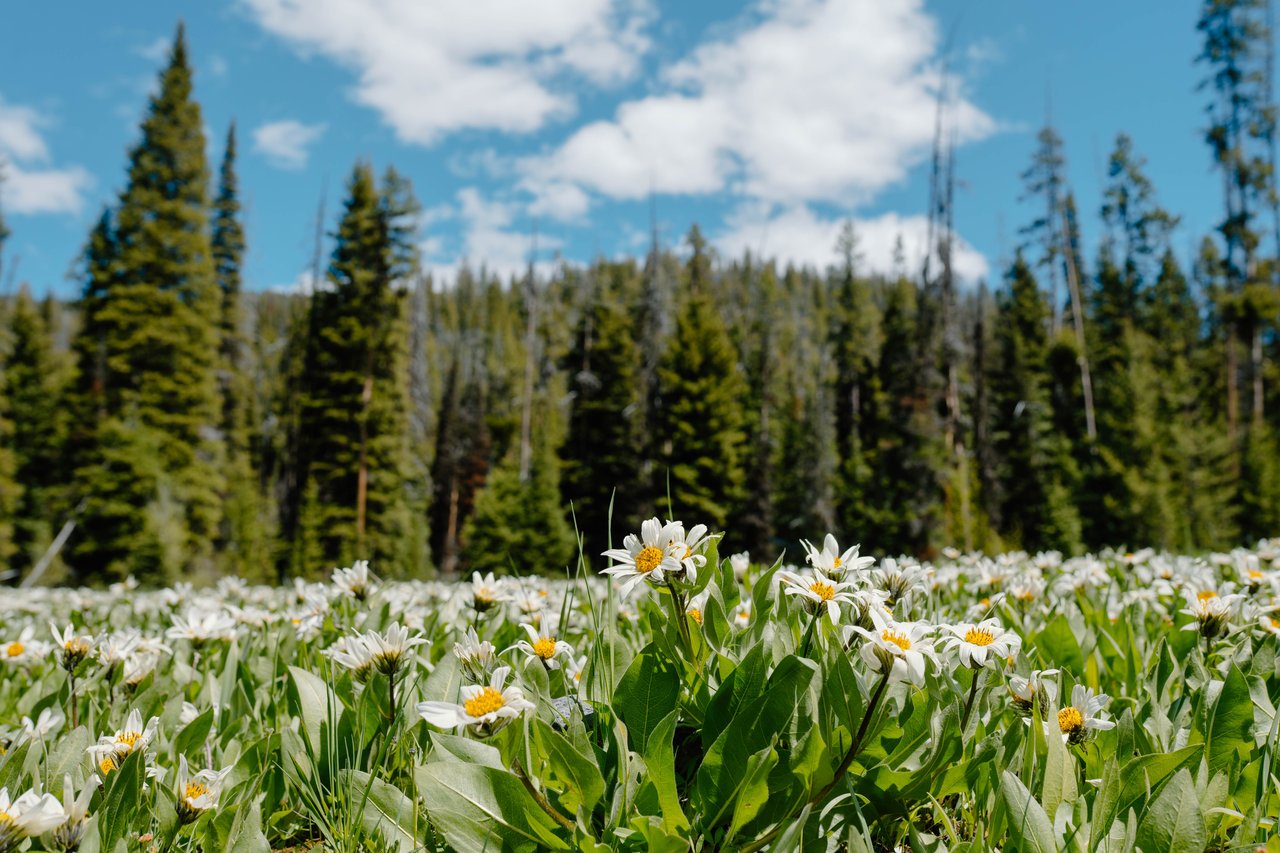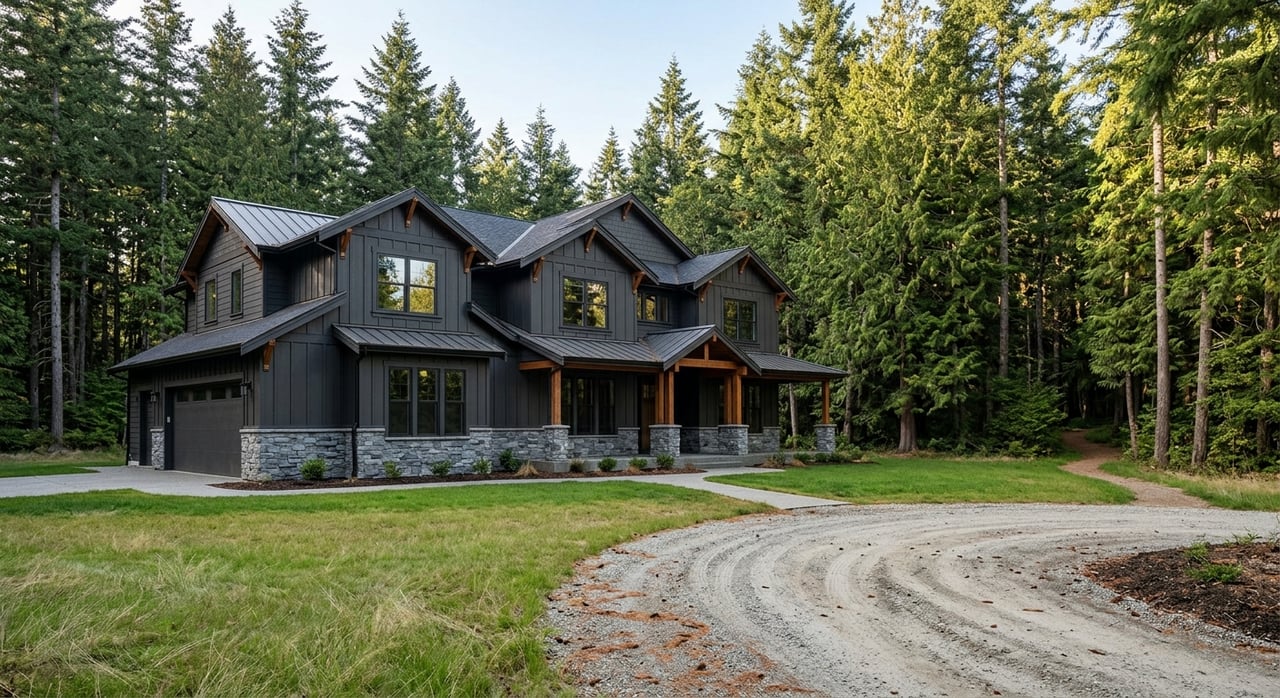
Dreaming about a cabin site, hunting basecamp, or private weekend escape in North Idaho? In Bonner County, recreational acreage can offer exactly that, but the best-looking parcel is not always the one that will work best for your plans. If you want land that supports the lifestyle you have in mind, you need to look beyond the view and into access, buildability, utilities, and seasonal use. Let’s dive in.
Why Bonner County draws acreage buyers
Bonner County stands out for buyers who want room to spread out and easy access to outdoor recreation. The county reports about 660 current miles of biking, hiking, walking, and ATV trails, and the Idaho Panhandle National Forests report more than 3,000 miles of trails in the region.
Water is a major part of the appeal too. Idaho Fish and Game lists Lake Pend Oreille at 92,764.4 acres, Priest Lake at 23,334.9 acres, and the Clark Fork River at 97.5 miles in Bonner County. For many buyers, that means a parcel’s value is tied not just to acreage size, but to how easily you can reach trails, lakes, rivers, and forestland.
Look past acreage alone
A 20-acre parcel can be less useful than a smaller tract with better access, easier terrain, and fewer site constraints. That is especially true if you want to build a cabin, create an RV setup, or use the property year-round.
In Bonner County, recreational land should be judged by a few practical questions first. Can you legally get to it, can you use it the way you want, and will it still function in winter or fire season? Those answers often matter more than the raw number of acres.
Check legal access first
Access is one of the most important details to verify before you make an offer. Bonner County’s GIS system can help you review parcels, addresses, roads, zoning, and land-use data, which makes it a useful first screening tool.
You will also want to confirm whether the road is county-maintained, private, or seasonal. Bonner County Road & Bridge maintains 679 miles of county roads, including 304 miles of hard-surface roads and 375 miles of gravel roads that are plowed and sanded in winter.
That matters because not every road gives you the same year-round usability. A beautiful retreat parcel can become much less appealing if snow, mud, steep grades, or private-road issues make access difficult for you, guests, contractors, or emergency responders.
Driveway permits and road work matter
If you plan to add or improve a driveway, Bonner County Road & Bridge requires encroachment permits for residential and commercial driveways, road approaches, and paving or hard-surface changes. That means your entry setup is not just a design choice. It can directly affect your timeline and costs.
The county’s wildfire guidance also recommends all-weather roads, adequate compaction and drainage, a 20-foot minimum road width, a 12-foot minimum driveway width, 14 feet 6 inches of vertical clearance, and turnarounds for driveways longer than 150 feet. For acreage buyers, those standards are worth reviewing early.
Confirm the parcel is legal and buildable
Bonner County is clear that Idaho is a buyer beware state. County staff cannot confirm the legality of a lot or parcel without a Certificate of Compliance, and a scenic parcel is not automatically a buildable parcel.
Development can be limited by setbacks, density rules, easements, protected natural features, and other agency restrictions. If the property is inside a city, city rules apply rather than unincorporated Bonner County rules, so jurisdiction is important too.
Before you get attached to a property, ask whether it is a legal parcel and whether your intended use fits the site. If your goal is a cabin, shop building, or future homesite, this step should come before you focus on cosmetic details.
Understand utilities and basic site feasibility
Rural land often comes with more moving parts than buyers expect. Bonner County’s building-location checklist shows that development may require a site plan, deed or legal parcel description, fire-district approval, elevation drawings, and in some cases geotechnical analysis, erosion-control documentation, shoreland review, wetland review, and floodplain permits or FEMA map revisions.
The county also notes that it has had no adopted building codes since 1997, so you should not assume one office will handle every permit question. Depending on the parcel, you may also need approvals related to sewage disposal, wells, driveway or encroachment work, electrical, plumbing, HVAC, and the local fire district.
Wells and water rights are not automatic
If a parcel does not have water service, well feasibility becomes a major due-diligence item. DEQ and IDWR require well drilling permits and licensed drillers.
Water features can also be misunderstood. Bonner County notes that surface-water use may require a water-right permit, and Idaho does not recognize riparian rights to divert and use water. In practical terms, a creek or pond on the property does not automatically give you the right to use that water the way you want.
Septic and soils need review
For many recreational parcels, septic feasibility is just as important as well access. Before you buy, review available soils information, septic records, and any permit requirements tied to the property.
A parcel may look ideal on the surface but still face limits because of soil conditions, slope, wet areas, or other environmental factors. That is why utility planning should happen early, not after closing.
Shoreline and water-adjacent parcels need extra care
Parcels near water often attract buyers quickly, but they also deserve more careful review. Bonner County defines shore land as land within 200 feet of any natural or artificial high-water mark.
Within that shoreland zone, the county sets a 35 percent maximum impervious-surface coverage. If all structures are at least 75 feet from the shoreline, that allowance can increase to 52.5 percent.
Those limits can shape how you place a home, cabin, driveway, parking area, or accessory structures. The county also counts gravel or hard-surfaced roads and driveways as impervious surfaces in shoreland calculations, which can surprise buyers who expected more flexibility.
Watch for wetlands and floodplain issues
Wetlands and flood hazards are common reasons a property needs extra review. Bonner County notes that public maps do not always show wetlands, so a parcel may need wetland delineation or reconnaissance depending on the site.
The county also participates in the National Flood Insurance Program, and any development in designated Special Flood Hazard Areas or floodways requires a floodplain development permit. FEMA maps can help with screening, but the county notes that those maps do not show property boundaries.
For you as a buyer, this means a riverfront, creekside, or low-lying parcel may require more investigation than an upland site. The setting may be beautiful, but the review process can be more complex.
Terrain can change the cost of ownership
Topography matters more than many buyers realize. Bonner County’s hazardous-areas plan says steep slopes can increase runoff, erosion, landslide risk, and avalanche risk.
The same materials note that liquefaction concerns are most common in saturated soils near rivers, lakes, bays, and oceans. For recreational acreage, that can affect driveway cost, drainage planning, foundation design, and how much of the land is practical to use.
A parcel with dramatic views may still work well, but only if you understand the tradeoffs. Slope, soil stability, and drainage should be part of your early screening process.
Wildfire planning is part of buying wisely
Wildfire risk is a major local issue in Bonner County. County materials say the Community Wildfire Protection Plan considers almost the entire county a wildland-urban interface area, and many properties fall outside a fire-district protection zone.
The county is served by 10 fire districts, but not every parcel has ready service. Before you buy, verify whether the property is in a fire district and ask about emergency water supply, access expectations, and defensible space.
Defensible space is a real use factor
Idaho’s wildland fire guidance recommends Zone One from 0 to 30 feet and Zone Two from 30 to 100 feet around structures. Bonner County’s brochure also uses a 100-to-200-foot buffer concept for many properties.
That means a heavily wooded parcel may require more clearing and ongoing maintenance than you expect. If your goal is a low-maintenance getaway, think carefully about whether the site can realistically be maintained and defended.
Think about the least convenient season
A parcel that feels perfect on a sunny summer afternoon may be much different in late fall, winter, or spring thaw. In Bonner County, remote land can face snow load, muddy roads, and steep or slippery access that affects everyday usability.
This is one of the smartest ways to evaluate recreational acreage. Ask yourself whether the property still works when conditions are less convenient, because that is when access, drainage, and emergency response become most important.
Key questions to ask before an offer
If you are comparing parcels, use a practical checklist. It can help you focus on the issues that most often affect whether land works as a true retreat property.
- Is the parcel legally accessible year-round?
- Is access county-maintained, private, or seasonal?
- Will a driveway or road approach require an encroachment permit?
- Is the parcel a legal lot or parcel, and is a Certificate of Compliance needed?
- Can the site support a well and septic system?
- Is the land within 200 feet of water or in an area that may trigger shoreland review?
- Are wetlands, floodplain issues, or steep slopes likely to affect development?
- Is the property within a fire district, and does it have adequate emergency access?
- Which nearby recreation features are public, private, or seasonally limited?
Why local guidance matters with acreage
Recreational land can be rewarding to own, but it often takes more due diligence than a typical in-town purchase. The right parcel is usually the one that balances lifestyle goals with practical realities like access, utilities, terrain, and wildfire planning.
That is where local knowledge can make a real difference. When you understand how a parcel functions on paper and on the ground, you can buy with far more confidence and avoid expensive surprises later.
If you are considering recreational acreage in Bonner County and want a thoughtful, boots-on-the-ground perspective, Cindy Perry can help you evaluate the details that matter most.
FAQs
What makes recreational acreage in Bonner County appealing?
- Bonner County offers broad access to outdoor recreation, including about 660 current miles of county trails, more than 3,000 miles of trails in the surrounding national forest region, and major water features like Lake Pend Oreille, Priest Lake, and the Clark Fork River.
What should you verify about access on Bonner County acreage?
- You should confirm whether access is legal, year-round, county-maintained, private, or seasonal, and whether driveway or road work will require an encroachment permit.
Can every scenic parcel in Bonner County be built on?
- No. Bonner County states that a scenic parcel is not automatically a buildable parcel, and development may be limited by setbacks, density rules, easements, natural features, and other agency restrictions.
What should you know about wells and water rights in Bonner County?
- Wells require permits and licensed drillers, and a creek or pond on the property does not automatically give you the right to divert or use that water.
Why do shoreline parcels in Bonner County need extra review?
- Parcels within 200 feet of the high-water mark may be subject to shoreland standards, including limits on impervious-surface coverage that can affect building placement, driveways, and other improvements.
How does wildfire risk affect buying acreage in Bonner County?
- Wildfire planning matters because much of the county is considered wildland-urban interface, some parcels may be outside a fire-district protection zone, and buyers should evaluate defensible space, emergency access, and site maintenance needs.