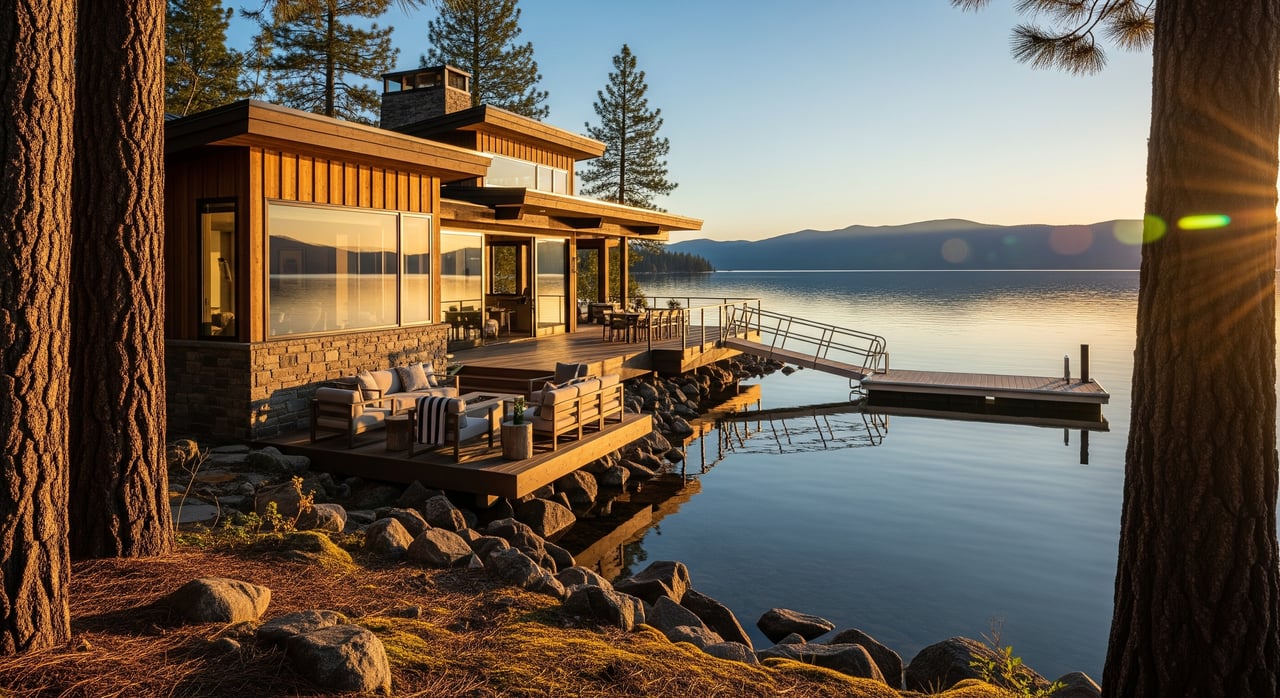
Dreaming of a Hayden Lake getaway that can help pay for itself? A short-term rental can be a smart way to blend lifestyle and investment, but the details in North Idaho matter. From city and county rules to true seasonality on the lake, you want a clear picture before you buy. In this guide, you’ll learn the key rules, numbers, costs, and steps to make a confident decision. Let’s dive in.
Why Hayden Lake appeals to STR buyers
Hayden and Hayden Lake sit in Kootenai County near Coeur d’Alene, with easy regional access from Spokane. The lake lifestyle drives interest, and that shapes how an STR can perform.
Peak demand typically arrives in summer when guests come for boating, swimming, and family gatherings. You can also see weekend traffic from Spokane and Coeur d’Alene throughout the warmer months. Off-season interest is more niche, including fishing, holiday stays, and travelers heading to nearby ski areas and trails.
The big takeaway is seasonality. You should plan for strong summer bookings and softer mid-winter occupancy. A realistic model starts with that pattern.
Know the rules first
Before you fall in love with a dock or view, confirm whether short-term rentals are allowed for the exact property.
City vs. county jurisdiction
Start by locating the property within the City of Hayden or unincorporated Kootenai County. Rules can differ by jurisdiction and by zoning district.
- Ask planning staff for the zoning map and the current short-term rental regulations for the parcel.
- Ask if any rule changes or moratoria are pending that might affect STRs.
Common STR requirements to verify
- Allowed use in the zoning district
- Short-term rental license or registration
- Safety inspections and equipment (smoke and CO detectors, egress, fire extinguishers)
- Occupancy limits, parking minimums, trash and noise rules, quiet hours
- Requirement for a local contact or on-site manager
- Enforcement process, fines, and complaint procedures
HOA or condo rules
If the property sits in an HOA or condominium community, get the CC&Rs and rules. Some associations restrict or prohibit STRs. Verify any minimum lease terms, registration steps, and penalties for violations.
Taxes you must plan for
In Idaho, lodging is subject to state sales tax, and some jurisdictions layer additional lodging or resort taxes. Platforms may collect some taxes for you, but responsibility sits with the owner. Register with the Idaho State Tax Commission to understand rates and remittance. Also plan for federal income tax reporting. A CPA can advise on expenses, depreciation, the 14-day rule for personal use, passive loss rules, and how services you provide could affect tax treatment.
Build a conservative revenue model
A strong model uses local comps and seasonal assumptions. Focus on similar properties in Hayden and Hayden Lake with comparable bedrooms, baths, lake access, views, and lot size.
Steps to estimate revenue
- Gather comparable nightly rates from active listings with similar quality and amenities.
- Estimate occupancy by month. Expect very high summer weekends and lower winter midweek demand.
- Factor in cleaning fees, host platform fees, and any length-of-stay discounts.
- Compute gross rental revenue as the sum of your booked nights times rate, plus any fees you keep.
Key metrics to track
- ADR (Average Daily Rate) = total rental revenue divided by nights rented
- Occupancy rate = nights rented divided by total available nights
- RevPAR (Revenue per Available Room) = ADR times occupancy rate
- Gross rental yield = annual gross rent divided by purchase price
- NOI (Net Operating Income) = gross rental revenue minus operating expenses
- Cap rate = NOI divided by purchase price
- Cash-on-cash return = (NOI minus debt service) divided by cash invested
- Break-even occupancy = (fixed costs plus debt service) divided by (ADR minus variable cost per night)
Consider dynamic pricing tools to align rates with season, day of week, and local events. The goal is not to chase the highest nightly rate, but to maximize total season revenue.
Budget for all the costs
Underwriting only works if you include the complete expense picture. Build your budget with fixed, variable, and capital reserves.
Fixed or regular expenses
- Property taxes
- STR-specific insurance
- HOA dues (if applicable)
- Utilities you cover for guests
- Property management fees if you hire a manager (commonly 15–35 percent for STRs)
- Routine maintenance, landscaping, and waste removal
Variable expenses
- Cleaning after each stay
- Linens and consumables like toiletries and coffee
- Repairs related to guest damage
- Higher utility usage during peak season
Capital reserves
Set aside 5–10 percent of gross revenue, or a fixed annual amount, for larger repairs and replacements. Waterfront homes can have unique upkeep needs, so planning ahead protects your returns.
Financing basics for STR purchases
Most lenders treat STRs as investment properties. Minimum down payments are higher than for a primary home, and rates can be higher.
Some lenders will underwrite using documented STR income if the property has a history. If not, DSCR loans or portfolio lenders may be options. FHA and VA loans generally require owner occupancy and are not designed for a pure STR investment. Get pre-approval early so your offer terms align with lender requirements.
Operational realities on Hayden Lake
Guests expect a turnkey experience. Furnish thoughtfully, provide reliable Wi-Fi, and keep a simple, clear house manual. If you self-manage, plan for prompt guest communication, check-in logistics, and cleaner scheduling during the busiest months.
Pricing and policies matter. Set house rules, guest limits, and a quiet-hours plan that align with local regulations. Use deposits or damage protection products, and consider ID verification on booking platforms where available. A good neighbor policy around parking and noise supports long-term success.
Waterfront specifics deserve extra attention. If the property includes a dock or shoreline structure, confirm ownership and permitted use during due diligence. Seasonal water level changes and shoreline conditions can affect access and guest expectations.
Insurance, safety, and natural hazards
Standard homeowner policies often exclude frequent short-term rentals. Secure a policy designed for STR operations that includes both property coverage and liability. Platform host protections can help, but they have limits. Many owners add a commercial umbrella policy for extra liability coverage.
Safety compliance is also key. Install and test smoke and carbon monoxide detectors, provide fire extinguishers, and post emergency information and exit routes. If your jurisdiction requires safety inspections for permits, schedule them early.
Check natural hazards as part of underwriting. Review FEMA flood maps to understand any floodplain risk and price appropriate flood insurance. Assess wildfire exposure and mitigation measures. If the home has a private well or septic system, plan for inspections and ongoing maintenance.
Due diligence checklist
A disciplined process helps you avoid surprises and protects your net returns.
Pre-offer checks
- Confirm STR legality for the exact parcel with Kootenai County Planning and Building and, if applicable, the City of Hayden.
- Obtain HOA or condo CC&Rs and any rental rules; verify restrictions and penalties.
- Request seller STR history: calendars, P&L statements, platforms used, and guest reviews.
- Review title and deed for easements, dock access, and shoreline rights.
- Order inspections: general home, septic, well, and any dock or shoreline structures.
- Check FEMA flood zone status to understand insurance requirements.
- Obtain an STR-specific insurance quote to confirm coverage and premium.
- Consult a CPA on Idaho lodging taxes and federal tax treatment.
- Get lender pre-approval and discuss DSCR or portfolio options if needed.
Operational setup after closing
- Secure any required STR permits and business licenses and complete safety inspections.
- Register for Idaho sales and lodging tax and set a remittance schedule.
- Set up bookkeeping, bank accounts, and consult on entity structure.
- Contract with cleaners and a local maintenance contact; consider a property manager.
- Install keyless entry and outline check-in and check-out procedures.
- Prepare a house manual, emergency contacts, and a parking and noise plan.
How to avoid common mistakes
- Verify rules before you write an offer. A beautiful lake view cannot fix a zoning or HOA prohibition.
- Model conservatively with realistic seasonality. Overestimating winter occupancy can break your plan.
- Include all expenses, especially management, turnover, and reserves. A rosy pro forma without costs is risky.
- Get insurance quotes early. STR coverage and flood insurance can shift your numbers.
- Build a contingency reserve. Market swings, regulatory changes, or a big repair can occur with little notice.
Work with a local specialist
Buying a waterfront or lake-access home for short-term rental is more than a spreadsheet. You want guidance on parcel-level rules, shoreline rights, seasonal patterns, and the tradeoffs between views, access, and operating costs. A local advisor who lives the North Idaho lifestyle and understands Hayden Lake can help you focus on the right opportunities and negotiate with confidence.
If you are weighing a Hayden Lake STR purchase, connect with a trusted, boutique advisor who specializes in waterfront and lifestyle properties. For personalized guidance and introductions to local lenders, inspectors, and other resources, reach out to Cindy Perry.
FAQs
Are short-term rentals legal in Hayden and Kootenai County?
- Legality depends on the exact parcel, the zoning district, and whether it is within City of Hayden limits or unincorporated Kootenai County, so confirm with planning staff before you buy.
What taxes apply to an Idaho short-term rental?
- Expect state sales tax on lodging and possible local lodging taxes, plus federal income tax on net rental income; register with the state and consult a CPA on reporting and depreciation.
How seasonal is Hayden Lake short-term rental demand?
- Peak demand is summer with strong weekend occupancy, while winter is typically softer with niche travel, so build a model with high seasonality assumptions.
What financing options are common for STR buyers?
- Lenders often treat STRs as investment properties; some use DSCR or portfolio loans, and FHA/VA generally require owner occupancy and are not suited for a pure STR.
What insurance do I need for a vacation rental?
- Obtain a policy designed for short-term rentals with property and liability coverage, and consider an umbrella policy since standard homeowner policies often exclude frequent STR use.
How do HOAs around Hayden Lake handle STRs?
- Many HOAs set their own rules that can restrict or prohibit STRs, so review CC&Rs and any rental policies before making an offer.