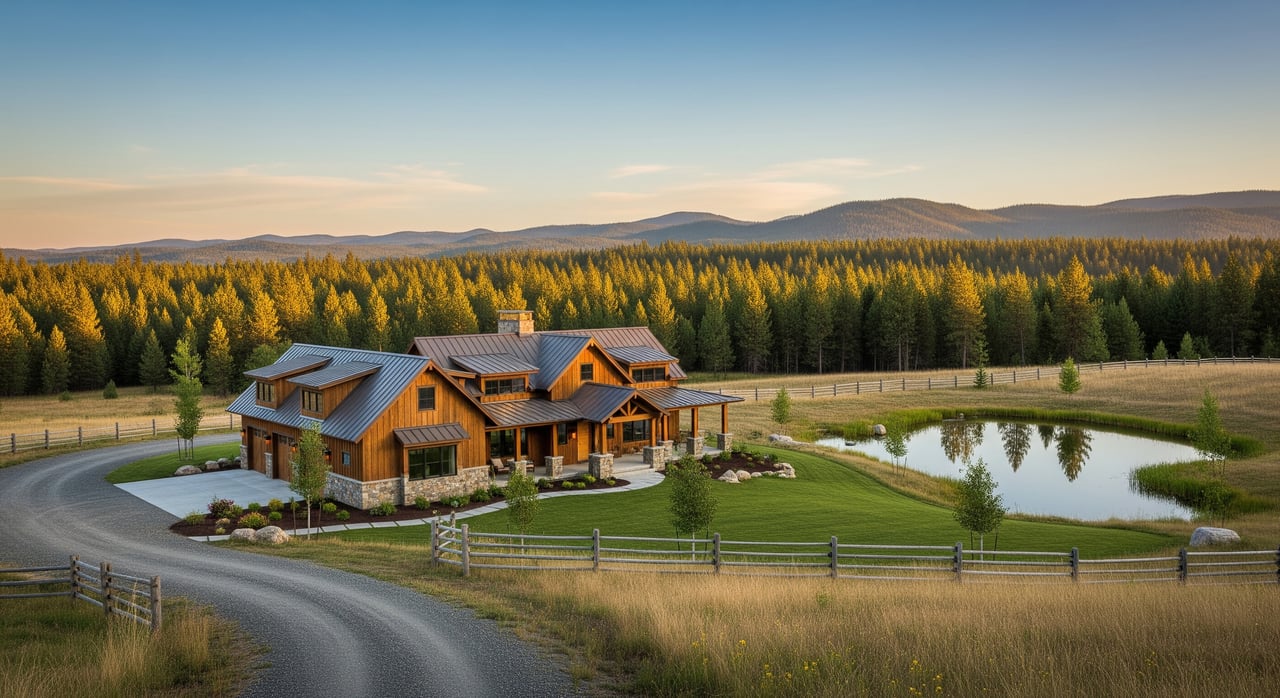
Thinking about buying acreage in Benewah County but not sure what you can build, where you can place it, or how to handle wells and septic? You’re not alone. Rural parcels offer freedom and privacy, yet local rules and site conditions can shape your plans in real ways. In this guide, you’ll learn the zoning basics, permits, utilities, and on-the-ground steps that help you buy with confidence in the St. Maries area and beyond. Let’s dive in.
Zoning in Benewah County
Zoning tells you what you can do on a parcel, from building a home to running a small business. In Idaho, counties set these rules through local ordinances and zoning maps. Your first move is to confirm the parcel’s zoning designation and then review the county’s land-use ordinance for allowed uses, setbacks, and lot-size standards.
Because every district is different, always verify the zoning map, read the ordinance language for that district, and request a zoning verification letter from county staff for your specific parcel. Written confirmation is your best protection against surprises later.
Common rural zones and uses
- Agricultural or Agriculture-Residential. Typically allows homes, barns, small-scale agricultural activities, and sometimes limited processing. Minimum lot sizes can be larger.
- Rural Residential or Low-Density Residential. Focused on single-family homes on larger lots. Commercial uses are limited.
- Forestry, Timber, or Resource Conservation. Oriented to timber and forest uses. Dwellings may be allowed with restrictions. Roads, erosion control, and slope standards can apply.
- Rural Commercial or Industrial pockets. Limited areas where small businesses may be allowed, often by conditional approval.
- Overlay districts. Floodplain or critical area overlays can add extra rules like increased setbacks or special building standards.
Rules that shape your building plans
- Permitted vs conditional uses. Some uses are allowed by right, while others need a Conditional Use Permit with public notice and possibly a hearing.
- Setbacks and building envelope. Front, side, rear, and stream setbacks define where you can place a home and outbuildings.
- Minimum lot size and density. Rural districts often set minimum acreage for new lots and limits on dwellings per parcel.
- Access and frontage. Legal access is required, and some parcels must front a public road to be buildable.
- Home occupations and accessory uses. Small home-based businesses are often allowed with limits on employees, signage, and traffic.
- Accessory dwelling units. Rules vary by district; confirm what is allowed for your parcel.
Permits and approvals you’ll need
Most homes and many accessory structures require building permits and inspections. Plan for separate permits or inspections for electrical, plumbing, and mechanical work.
Septic and well approvals
In rural North Idaho, many parcels rely on on-site septic and a private well. Before you can build, the local public health authority evaluates soils, setbacks from water, and system design for septic feasibility. In Benewah County, the Panhandle Health District is your point of contact. You can review guidance and reach out through the Panhandle Health District website.
For wells and water rights, the Idaho Department of Water Resources is the authority for well construction, well logs, and water-rights records. Start with IDWR’s overview of wells and well construction and the basics of Idaho water rights.
Conditional Use Permits and variances
If your desired use is not allowed by right in the zoning district, you may need a Conditional Use Permit. This process typically involves an application, public notice, and a hearing. Variances provide limited relief from standards like setbacks but require showing a unique hardship.
Lot splits and subdivisions
If you plan to divide acreage, you must follow county lot-split or subdivision rules. Expect review of road access, fire protection, septic feasibility, and minimum parcel sizes. Larger splits can trigger road and infrastructure standards.
Road and driveway permits
New driveways connecting to county roads often need an encroachment or driveway permit from the county road department. If your parcel takes access from a state highway, contact the Idaho Transportation Department. Private roads that serve multiple lots typically must meet minimum standards, and owners usually share maintenance responsibilities.
Water, septic, and utilities on acreage
Water rights vs well permits
In Idaho, water rights are separate property interests. A parcel may have a well but no irrigation right, or vice versa. Confirm what, if any, rights are attached through IDWR records and your title report. For due diligence, review IDWR’s pages on wells and water rights, and request any existing well logs for the property.
Septic feasibility and soils
Septic approval depends on soils, groundwater, slope, and the system design. Some sites require engineered or mound systems, which can cost more. To understand soils before you invest in testing, explore the NRCS Web Soil Survey overview. Then schedule an on-site evaluation with the Panhandle Health District.
Power, internet, and other services
Many rural parcels sit far from utilities. Extension costs for power and broadband vary widely. Ask local providers for maps and estimates, verify cell coverage, and plan for propane if natural gas is not available. Also check where you will handle trash at county transfer stations and how USPS delivers mail to your area.
Environmental and resource constraints
Floodplains and wetlands
If a parcel sits in a FEMA flood zone, you may need elevation certificates and special building standards, and insurance costs can be higher. Check your parcel using the FEMA Flood Map Service Center. Wetlands can limit building areas and may trigger federal permits if disturbed.
Slopes, erosion, and wildfire
Steep slopes and unstable soils can affect foundation design and driveway placement. Much of North Idaho faces moderate to high wildfire risk, so plan for defensible space, adequate driveway width, and turnarounds for emergency vehicles. Your local fire district can provide access and water supply guidelines.
Timber harvest and forest practices
If your acreage includes timber, harvesting may require notifications and adherence to best management practices for roads and water quality. The Idaho Department of Lands offers guidance on forest practices.
Taxes, ag exemptions, and conservation
Property tax classification
Agricultural or timber classifications may reduce assessed value if your parcel meets use and production criteria. These tax classifications are separate from zoning permissions. Work with the county assessor to confirm eligibility and documentation.
Conservation and cost-share options
Conservation easements can permanently limit future subdivision or development while offering potential tax benefits. Federal and state cost-share programs may help with habitat, erosion control, or forestry practices. Explore program overviews through the USDA’s NRCS and its Web Soil Survey resource page, then speak with local NRCS staff about current programs.
Buyer checklist for Benewah County acreage
Use this sequence to reduce risk and save time:
- Get the parcel number and legal description. Request the zoning designation and a zoning verification letter from Benewah County Planning and Zoning.
- Review the county zoning map and ordinance language for your district’s permitted uses, setbacks, and minimum lot size.
- Pull recent aerials, topography, and FEMA flood maps for the parcel.
- Order a current boundary survey to confirm lines, easements, and building envelopes.
- Request existing well logs and contact IDWR about water rights and well permitting.
- Schedule a septic site evaluation with the Panhandle Health District.
- Review title for covenants, easements, and utility rights-of-way.
- Confirm legal and physical access. Identify whether the road is public or private and ask about emergency access standards.
- Speak with the county road department about driveway or culvert permits and maintenance responsibilities.
- Contact the local fire district and utilities about fire flow, power extension, and broadband options.
- Estimate development costs for well drilling, septic system, driveway and road upgrades, and utility extensions.
- For complex sites, consult a local real estate attorney, surveyor, or civil engineer.
Key contacts and resources
- Benewah County Planning and Zoning. Zoning map, ordinance, permits, and land division guidance. Contact the county office in St. Maries.
- Benewah County Road Department. Driveway permits, encroachments, and maintenance policy.
- Panhandle Health District. Septic permits and site evaluations: Panhandle Health District.
- Idaho Department of Water Resources. Water rights, well permits, and well logs: IDWR wells and IDWR water rights.
- Idaho Department of Lands. Timber harvest and forest practices: IDL forest practices.
- FEMA Flood Map Service Center. Flood zone maps: FEMA MSC.
- USDA NRCS. Soil data and the Web Soil Survey overview: NRCS Web Soil Survey.
Buying acreage is about matching your vision to the land and the rules that govern it. With the right verification, a solid site plan, and the proper permits, you can move from idea to build with fewer surprises. If you want a local, concierge-level partner to help you evaluate parcels, coordinate due diligence, and negotiate the right terms, reach out to Cindy Perry.
FAQs
Can you build a home on rural acreage in Benewah County?
- Usually yes, if the zoning allows a dwelling, your parcel meets minimum lot size and access rules, and you secure building, septic, and well approvals.
How do you check water rights and well information in Idaho?
- Review title for any recorded rights and search IDWR records for well logs and rights; start with IDWR wells and IDWR water rights.
What is a perc test and who approves septic in North Idaho?
- A perc or site evaluation tests soil’s ability to absorb wastewater; the Panhandle Health District reviews results and permits systems. See Panhandle Health District.
Can you split a 20-acre parcel in Benewah County?
- Possibly, but splits must follow county subdivision and lot-split rules, including access, septic feasibility, and minimum parcel sizes; confirm requirements for your zoning district.
How do you check if a parcel is in a floodplain?
- Look up the property on the FEMA Flood Map Service Center; flood zones can affect building standards and insurance costs.