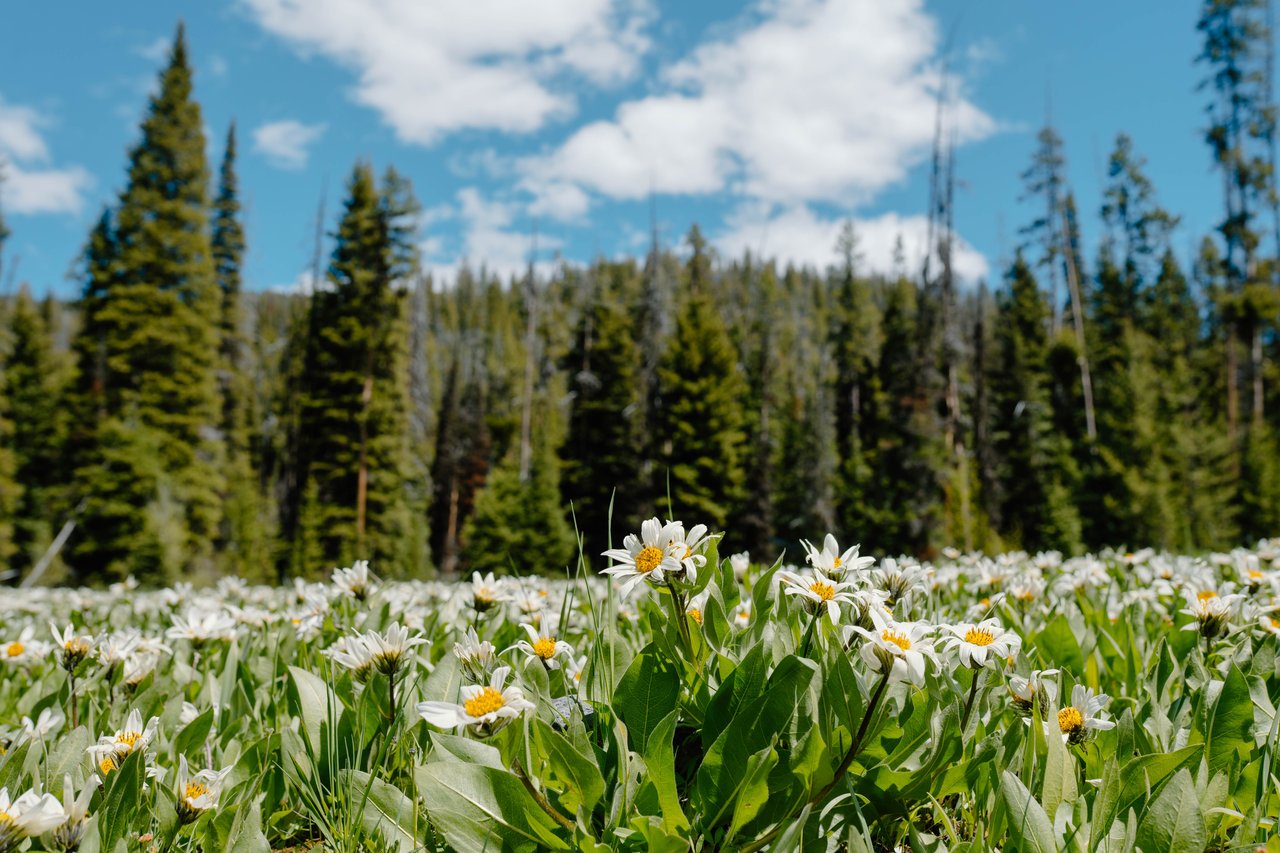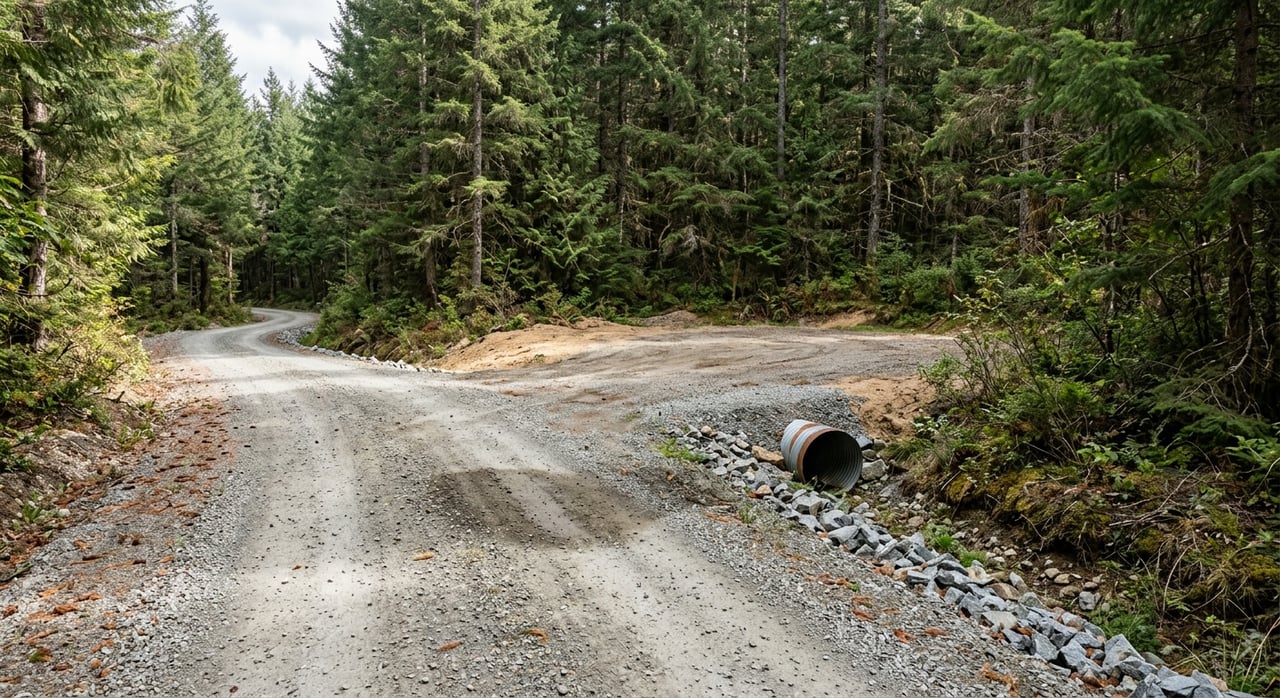
Thinking about buying wooded acreage in Benewah County? It is easy to fall for the trees, privacy, and recreation appeal, but raw land can be much more complex than it looks from the road. If you want a timber parcel, hunting base camp, or future cabin site, you need to know how access, buildability, and land use fit together before you make an offer. Let’s dive in.
Why Benewah County parcels stand out
Benewah County is deeply tied to forest land and outdoor recreation. University of Idaho Extension reports that the county has 485,460 forested acres, which is about 96% of the county, along with 252,000 acres of family forest land and 2,503 family forest owners with more than 5 acres.
That setting creates real opportunity for buyers who want privacy, timber potential, or a quiet place to enjoy North Idaho. It also means you should look beyond scenery and acreage. A parcel can feel perfect for a retreat while still needing major work before it can legally or practically support a homesite.
The county’s subdivision and land-use rules are built around coordinated roads, drainage, and sanitary facilities. In simple terms, access and buildability matter just as much as views, tree cover, and recreational appeal.
Start with parcel research
A smart first step is checking the Benewah County Assessor’s records. The assessor maintains ownership records, exemptions, official plat maps, surveys, subdivision plats, and GIS parcel information.
That information can help you confirm what you are actually buying. On a timber or recreation parcel, details like boundaries, past surveys, plat notes, and tax classification can shape both your costs and your future plans.
If a parcel is part of a recorded plat, restrictions may already be in place. That matters even more in some recreational subdivisions, where recorded plat restrictions may limit structure size or type and may require shared access paths or other common features.
Check legal access early
Access is one of the biggest issues with rural land. In Benewah County, if a parcel is being split, the county requires legal practical access by recorded express easement.
If the parcel fronts a publicly owned or maintained road, the county requires at least 75 feet of frontage that is sufficient for a driveway. That is a very specific standard, and it is one reason you should never assume that a visible road or trail automatically gives you legal access.
Planning and Zoning also provides tools and petition forms for parcel splits, lot line adjustments, and even road-related actions like vacating or validating roads. That is a good reminder to verify road status instead of relying on a seller’s memory or a map screenshot.
Separate trees from buildability
Many buyers see dense timber and assume they have found the ideal cabin site. In reality, forest cover and buildability are two different things.
Before you count on building, review the county’s early due diligence items. Benewah County lists forms for driveway approaches, building permits, address requests, sewer service, and floodplain development. Those are signs that the path from raw land to usable homesite often involves several separate approvals.
If the land is in a special flood hazard area, the county requires a floodplain development permit before development. A parcel can be beautiful and still come with site constraints that affect where or whether you can improve it.
For land splits outside the subdivision process, county rules also emphasize legal access and a surveyable, mappable legal description. If the legal description is not adequate, the county may require a survey.
Understand timber basics before you buy
If timber income is part of your plan, it helps to know what active forest management can involve. According to University of Idaho Extension, forest management may include inventory, thinning, harvest planning, planting, and road design.
Forest roads are especially important because they support timber harvesting, recreation, and wildfire protection. They are also among the most important and costly parts of a forest operation, so existing road conditions and future road needs deserve close attention.
The Idaho Department of Lands administers the Forest Practices Act to promote active forest management while protecting soil, water, vegetation, wildlife, and aquatic habitat during growing and harvesting. That means timber use comes with responsibilities, not just opportunity.
The same is true after cutting. Idaho Department of Lands says slash from cutting forest products on private forest lands must be treated, so post-harvest cleanup and regeneration should be part of your budget thinking from day one.
Timber designation and tax treatment
Benewah County’s timber designation can be important for buyers looking at long-term holding costs. In general, the designation requires at least 5 forested acres, or 6 acres if a residence is on the parcel, along with a management plan attached.
The land must be held and used for growing and harvesting trees of a marketable species. Approved timber land is valued below market, and the filing is generally a one-time application unless ownership or use changes.
Because this designation depends on use and documentation, it is worth confirming the parcel’s current status and what would be required to maintain it after closing.
Match the parcel to your recreation goals
Benewah County has a strong recreation backdrop. Buyers are often drawn by places like Heyburn State Park, McCroskey State Park, the Trail of the Coeur d’Alenes, and the St. Maries Wildlife Management Area.
Heyburn State Park includes equestrian access, multi-use trails, camping, cabins, and moorage. McCroskey State Park is known for cedar forests, secluded camping, and multi-use trails, while the Trail of the Coeur d’Alenes begins in Plummer and crosses the county.
That setting can make a parcel feel like a perfect launch point for riding, hunting, fishing, or a quiet weekend retreat. Still, the key question is whether the parcel itself supports your intended use without relying on informal access or unpermitted improvements.
Hunting access and trespass rules
In Benewah County, private and public lands can be interspersed. Because of that, you should verify whether a trail, road, or hunting route crosses private land and whether any access agreement or posting applies.
Idaho Fish and Game says the Access Yes! program provides hunting and fishing access on private land or through private land to public land, and it reminds users to ask for written permission. The agency also notes that crossing private land to reach public land is a privilege, not a right.
Current trespass guidance also says hunters and anglers are not allowed on private land without permission if the property is associated with a residence or business, cultivated, fenced or enclosed, or posted with conspicuous no trespassing markers. If recreation is a major reason you are buying, confirm the legal realities before you rely on local assumptions.
Motorized access matters too
If you plan to use an ATV or UTV for hunting access, there are additional limits to understand. Idaho Fish and Game says big-game hunters are generally limited to established roadways legally open to full-sized automobiles, with special rules in some permission-based situations.
That means a parcel’s usefulness may depend not just on whether you can reach it, but how you can legally move through it during the season and for the activity you have in mind.
Bring in the right professionals
With wooded acreage, the best results usually come from checking several things at once. A local land-savvy agent can help coordinate county assessor, planning, and building checks with other key items like septic review and well permitting.
That matters because a parcel may be in better physical condition than legal or buildable condition. What looks like an easy buy on paper may need more investigation before you know its true value.
Panhandle Health District says septic permits are required for all subsurface sewage disposal systems in Idaho. Approval depends on site-specific factors such as wells or springs, surface water, groundwater, setbacks, soils, and proposed land use.
The Idaho Department of Water Resources requires a drilling permit before a well is drilled, and all wells must be built by a licensed driller. So if your vision includes a future cabin or full-time home, water and wastewater review should happen early.
A licensed surveyor also becomes important when legal descriptions do not close or are not easily mappable. Benewah County states that a survey may be required in those cases.
For timber parcels, a forester can help evaluate stand condition, inventory, thinning, harvest potential, and road needs. That kind of guidance can help you understand whether a parcel fits your recreation goals, investment goals, or both.
A practical buyer checklist
Before you move forward on a Benewah County timber or recreation parcel, focus on these basics:
- Confirm ownership, plat maps, surveys, and parcel details with the county assessor
- Verify legal access, road frontage, and any recorded easements
- Check whether the parcel is in a subdivision with recorded restrictions
- Review driveway, building, address, sewer, and floodplain requirements early
- Confirm whether the legal description is surveyable and mappable
- Ask about timber designation status and management plan requirements
- Evaluate road condition and long-term road costs for recreation or timber use
- Verify septic feasibility with Panhandle Health District
- Confirm well permitting steps with Idaho Department of Water Resources
- Check whether your hunting, trail, or motorized access plans rely on private land permission
Why local guidance helps
Timber and recreation land can offer an incredible North Idaho lifestyle, but these properties reward careful due diligence. The right parcel is not just scenic. It is a parcel that matches your goals on paper, on the ground, and with the county.
If you want help evaluating wooded acreage, access questions, or the real-world potential of a Benewah County parcel, Cindy Perry offers thoughtful, local guidance tailored to North Idaho lifestyle properties.
FAQs
What makes Benewah County timber land different from a typical homesite?
- Benewah County timber land often requires closer review of legal access, road status, septic feasibility, well permitting, floodplain issues, and plat restrictions before you can know whether it supports your planned use.
What should you check first on a Benewah County recreation parcel?
- Start with the county assessor’s records for ownership, plat maps, surveys, subdivision plats, exemptions, and GIS parcel information.
What access rules matter for a Benewah County parcel split?
- If a parcel is being split, the county requires legal practical access by recorded express easement, and parcels on a publicly owned or maintained road need at least 75 feet of frontage sufficient for a driveway.
What is Benewah County timber designation?
- In general, it is a county tax classification for qualifying forest land that requires at least 5 forested acres, or 6 acres with a residence, plus a management plan and use for growing and harvesting marketable trees.
What should you know about hunting access on Benewah County land?
- Because private and public lands can be interspersed, you should verify whether your route crosses private land and whether written permission or posted restrictions apply.
What permits may matter before building on Benewah County acreage?
- Depending on the parcel, early items may include driveway approach, building permit, address request, sewer service review, floodplain development review, septic permitting, and well drilling permit steps.