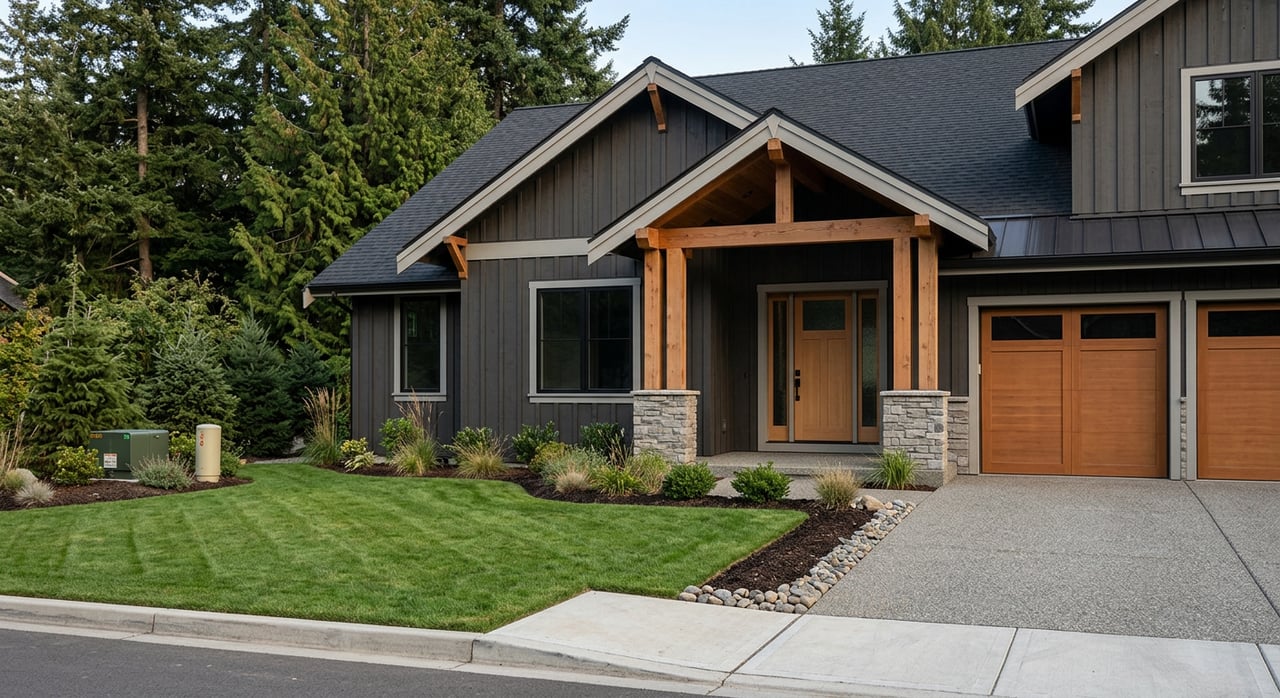
Torn between room-to-roam acreage and the ease of an upscale estate community in Kootenai County? You are not alone. The right choice comes down to how you want to live, how much site work you want to take on, and what you value at resale. In this guide, you will compare permits, utilities, maintenance, and market factors with local resources you can trust. Let’s dive in.
Quick Kootenai County market context
Kootenai County remains active, with a median sale price in the mid 500s as of early 2026. Prices vary widely across submarkets like lakefront, city neighborhoods, the Rathdrum Prairie, and rural acreage. That split is part of why it helps to define your lifestyle first, then match it to the right property type. County growth and infrastructure planning also shape where subdivisions emerge and where rural parcels stay rural. You can track local growth and service levels on the county’s resource page for Kootenai County growth and service level.
What “acreage” and “estate community” mean here
Before you compare, get clear on local definitions.
- Acreage: Rural parcels, often several acres. These usually rely on a private well, on-site septic, and private access. Some parcels have a driveway or partial site work, but utilities are not guaranteed at the lot line.
- Estate community: Planned subdivisions with larger lots and recorded CC&Rs or an HOA. Developers typically provide paved roads or easements, drainage, and access to a community or municipal water and sewer system.
Both can deliver space and privacy. The difference is how much of the infrastructure already exists versus what you must plan, permit, and fund yourself.
Buildability and permitting basics
If you are buying land or a custom-home lot, start with feasibility. Kootenai County Community Development publishes permit forms and checklists for building and site disturbance. You can review requirements on the county’s Application and Permit Forms page.
County planning and zoning
Confirm zoning and permitted uses, setbacks, and any overlays that affect your build. Ask whether the parcel is inside a city Area of Impact, since rules can differ. Use the county parcel search and GIS to check floodplains, slopes, easements, or right-of-way items. Start your review on Kootenai County GIS.
Septic and site evaluation
In Kootenai County, the Panhandle Health District regulates septic permitting and site evaluations. A site evaluation determines whether a standard system will be approved or whether you will need an alternative or engineered system that can add cost and ongoing maintenance. Learn more in Idaho DEQ’s overview of septic and septage, and request records or permit files from the Panhandle Health District.
Wells and water rights
Most rural parcels depend on a private domestic well. The Idaho Department of Water Resources issues drilling permits and maintains public well logs. Before you buy, pull the well log for the parcel and consider a pump test, plus a water-quality panel for coliform and nitrate. Depending on local geology, you may also test for arsenic or uranium. Explore well rules and records at IDWR wells.
Public water and sewer districts
Estate communities often connect to city or special-district water and sewer. That can reduce private system risk but may involve connection fees and ongoing rates. Governance and rates can change over time, so verify current service boundaries and any pending reorganizations or rate studies. For example, local coverage has tracked proposed changes affecting the Hayden Area Regional Sewer Board. See the Coeur d’Alene Press story on Hayden sewer governance discussions.
CC&Rs and HOAs
Estate subdivisions usually have recorded CC&Rs and HOA rules that govern use, fencing, outbuildings, exterior materials, and maintenance responsibilities. Always pull the recorded plat, CC&Rs, and any amendments from the county Recorder before you write an offer. Start with the county’s Application and Permit Forms page or Recorder’s office for direction.
Utilities and access: what to expect
The biggest day-to-day differences between acreage and estate communities show up in water, wastewater, power, internet, and roads.
Water and wastewater
- Estate communities: You will likely connect to a municipal or community system. This can simplify ownership and compliance, though you should budget for connection or impact fees and monthly charges. Ask for will-serve letters and fee schedules during due diligence.
- Acreage: Plan for a private well and on-site septic. Well costs in Idaho vary with depth and geology and can run from several thousand dollars to $10k or more. You will also budget for pump installation and water testing. Learn about permits and well logs at IDWR wells. If soils are shallow, fractured, or near surface water, a standard septic may not be allowed. Alternative or engineered systems add upfront cost and may require annual monitoring and operation plans. Review Idaho DEQ’s guidance on septic and alternative systems, and request the property’s septic file from the Panhandle Health District.
Power, gas, and internet
Avista is a dominant regional provider for electric and natural gas. New or large-load service may require design coordination and construction fees. Explore service planning at Avista Utilities.
Internet and cell service can be mixed in rural zones. Many subdivisions or town areas have cable or fiber, but some acreage depends on fixed wireless or satellite. Check availability by address and confirm any new rural fiber projects. County mapping tools are a good first pass: start with Kootenai County GIS.
Roads, access, and winter maintenance
Estate communities often include paved private roads or dedicate roads to the county for maintenance. Acreage parcels can sit on private drives or gravel roads where you and your neighbors handle snow removal and long-term upkeep. Driveway approaches may require permits and must meet county standards. Review the county’s site-disturbance and approach resources on Application and Permit Forms.
Ongoing costs, wildfire, and insurance
Routine maintenance by property type
- Acreage: Expect private road maintenance, septic pumping, possible engineered-system monitoring, well servicing and water treatment if needed, weed management, and wildfire fuel reduction. Trades may charge more for distance or access.
- Estate community: Plan for HOA dues that cover private road repair funds, gates, landscaping, and common areas. You may also have architectural review or exterior standards to follow.
Fire risk and insurance tips
Wildfire is a real factor in North Idaho. Insurers often weigh the distance to a fire station, available water for suppression, the community’s ISO or PPC rating, and your defensible space. Ask a local agent for a quote tied to a specific parcel early in the process. For prevention and local programs, start with Kootenai County Fire & Rescue training and resources.
Lifestyle fit: which path feels right
- Choose acreage if you want privacy, space for hobbies or livestock, and the freedom to shape your land, and you are comfortable managing wells, septic, and private roads.
- Choose an estate community if you want larger lots with paved roads, community or city utilities, and predictable standards that help preserve neighborhood quality, and you are comfortable with HOA rules and dues.
Neither is better for everyone. The right choice balances your day-to-day lifestyle with your appetite for site work and your long-term costs.
Resale and liquidity considerations
Estate-lot homes often appeal to buyers who prefer turnkey services and a lower risk profile for utilities and access. Acreage tends to attract buyers who value privacy and land use flexibility. In both cases, presentation, condition, and documentation matter. Clear records for well performance, septic permits, and road agreements help a property stand out. With county prices in the mid 500s as a general backdrop, submarket dynamics and property type drive the final result. Market timing, location, utility certainty, and compliance with recorded rules will shape your eventual resale.
Your step-by-step due diligence checklist
Use this list before you commit so there are no surprises after closing.
- Confirm buildability and utilities
- Pull the septic file or request a site evaluation from the Panhandle Health District.
- Pull the well log and review nearby wells, then consider a pump test and water-quality panel via IDWR wells.
- Check setbacks, slopes, floodplain, and recorded easements on Kootenai County GIS.
- Verify recorded obligations
- Retrieve the recorded plat, CC&Rs, and HOA bylaws from county records. Start with county Application and Permit Forms for process links or Recorder contacts.
- Get will-serve letters and cost confirmations
- For estate communities, request water and sewer will-serve letters and fee schedules.
- For acreage, obtain written estimates for bringing power, communications, or fiber to the lot line. Coordinate with Avista Utilities.
- Plan for fire and insurance
- Identify the responding fire district and talk with your insurance agent about estimated premiums based on distance to a station and available water. See local programs at Kootenai County Fire & Rescue.
- Budget from raw land to livable
- Well drilling, pump, and pressure tank: cost varies by depth and rock and can reach $10k or more in some cases. Use IDWR logs to gauge nearby depths and yields at IDWR wells.
- Septic installation or engineered alternative: alternatives increase upfront cost and may add annual monitoring. Review DEQ’s septic guidance.
- Driveway, culverts, or road upgrades: confirm approach standards on county Application and Permit Forms.
- For a helpful owner overview, see the Idaho well owner guide from DrillerDB.
- Title and environmental checks
- Order a full title search for easements, access rights, and any liens. Use county GIS for initial screening on wetlands, floodplain, or steep slopes at Kootenai County GIS.
Timeline and cost planning at a glance
- Acreage often requires more pre-construction time to secure permits, complete well and septic design, and coordinate power and access. Factor in seasonal timing for site work and potential contractor lead times.
- Estate communities can shorten the path to build because roads and utilities are typically in place. You will still plan for architectural review, connection fees, and any HOA process steps.
The goal is to turn unknowns into knowns. When you have clear files for wells, septic, access, and governance, you can choose with confidence.
How I help you decide
If you are weighing acreage versus an estate community, you want local guidance that blends lifestyle insight with land-use know-how. I help you:
- Clarify your lifestyle priorities, budget, and timeline.
- Vet parcels with the right feasibility checks and local contacts.
- Compare total cost of ownership across utilities, access, and maintenance.
- Position your purchase for future resale with clean, organized records.
When you are ready to explore, reach out. I live and work in North Idaho’s lifestyle markets and specialize in acreage, waterfront, and estate-lot properties. Let’s align the right land or neighborhood with the way you want to live. Talk with Cindy Perry today.
FAQs
What permits do you need to build on acreage in Kootenai County?
- You will work with Kootenai County Community Development for building and site-disturbance permits, plus Panhandle Health District for septic approvals and IDWR for well permits; start with county Application and Permit Forms.
How do community utilities compare to private well and septic?
- Community or municipal systems reduce private system risk but add connection and recurring charges, while private well and septic shift cost to upfront drilling, installation, and possible ongoing monitoring for alternative systems.
What should you test in a private well before closing?
- Pull the IDWR well log, consider a pump test, and test water quality for coliform and nitrate, adding arsenic or uranium if local geology suggests it; start at IDWR wells.
How do HOA rules affect estate-lot building plans?
- Recorded CC&Rs and HOA bylaws can limit fencing, outbuildings, exterior materials, and landscaping and often require architectural review, so pull and read the recorded documents before you offer.
How does wildfire risk impact insurance in North Idaho?
- Premiums can reflect distance to a fire station, available water for suppression, ISO or PPC ratings, and defensible space, so talk with an insurer early and review local programs via Kootenai County Fire & Rescue.
Where can you find parcel maps and recorded CC&Rs in Kootenai County?
- Use Kootenai County GIS for parcel boundaries and maps, then pull recorded plats and CC&Rs through the county Recorder’s office starting from Application and Permit Forms.